United States Air Force Active Equipment Collection (2)
Original: aviation knowledge
Deng Deng Deng
United States Air Force Active Equipment Collection
The second bullet is coming!
Please poke the first bomb review:


(Video source: YouTube——AmazingViz)
Xiaobian will sort out a complete collection of active equipment of the US Air Force according to the video display order and supplemented by the data in the US Air Force Yearbook 2019!
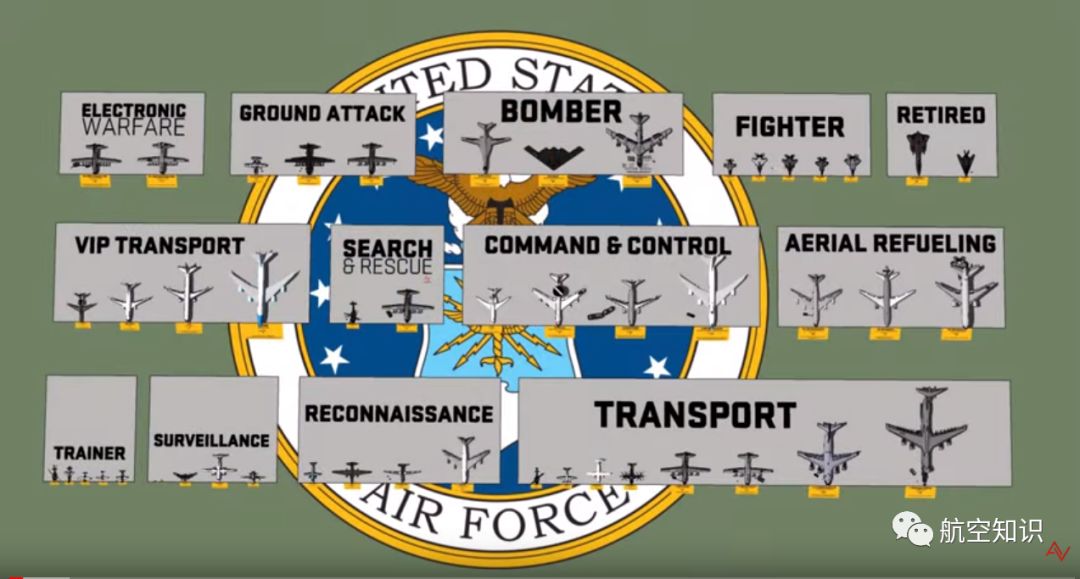
Note: Due to the fact that the model in the video is actually incomplete after textual research, all the data in this article are based on the data in the 2019 Yearbook of the US Air Force. If you have more accurate data sources, please provide us with an exchange!
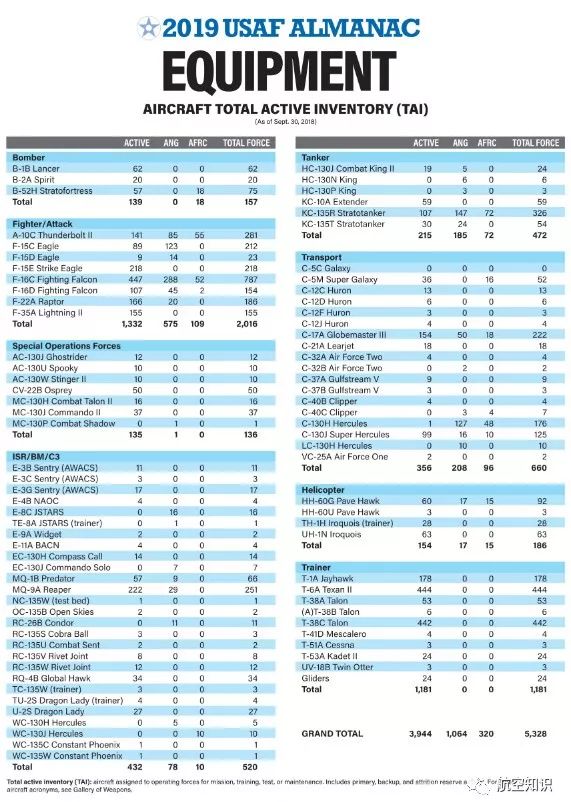
Before the second steak.
With the spirit of rigor and good leakage
Xiaobian first supplemented some models of the previous issue.
1.U-2DragonLady
model
Models
Number of service
U-2S
Dragon Lady
scout
27
U-2 is one of the few aircraft that have served in the US Air Force for more than 50 years. The latest model U-2S was upgraded in 2012. The improved U-2R(TR-1) has a larger fuselage and wings, a super pod is installed under the wings, and a J75-P-13B engine is used. TR-1A is a tactical reconnaissance type, designed for long-distance external tactical reconnaissance in Europe, with the same structure as U-2R. TU-2S is a newly modified TR-1B two-seat trainer. Updating the U-2R of the GEF118-101 engine changes the model to U-2S.
TU-2SDragonLady
training plane
four
2.C-135 family
model
machine
grow
Number of service
RC-135SCobraBall
scout
three
RC-135S is mainly used for monitoring and tracking missile signals, providing reconnaissance for treaty verification and ballistic missile proliferation in theater. The plane is a modified C-135B. The right wing and engine are painted black to reduce the glare of the sun and facilitate tracking.
RC-135U
CombatSent
2
RC-135U aims to collect technical information of the opponent’s radar transmitter system.
RC-135V
RivetJoint
eight
RC-135V/W is the standard airborne communication intelligence platform of the US Air Force.
RC-135WRivetJoint
twelve
TC-135W
training plane
three
A TC-135S provides training for the RC-135S mission; In addition, two TC-135W are mainly used for the training of RC-135V/W joint missions, but they can also provide some training for RC-135U combat units.
NC-135W
(testbed)
one
WC-135 with serial number 61-2666 was modified into NC-135, which was used as a platform for testing RC-135 airborne equipment.
OC-135BOpenSkies
scout
2
The WC-135 with serial number 61-2667 was converted into OC-135B OpenSkies reconnaissance plane, which was used to carry out unarmed overflight reconnaissance missions against the parties to the Open Skies Treaty, so as to ensure that the signatories fulfilled their commitments.
WC-135WConstantPhoenix
one
WC-135 with serial number 61-2667 was upgraded to WC-135W, and the project was named "ConstantPhoenix". It mainly involves the atmospheric collection equipment on the plane, which allows the task team members to detect radioactive debris clouds in real time.
WC-135CConstantPhoenix
one
In 1998, an EC-135C with serial number 62-3582 was transformed into WC-135C, which also belongs to the "Immortal Phoenix" project. Although the names are different, WC-135C and WC-135W carry the same equipment.
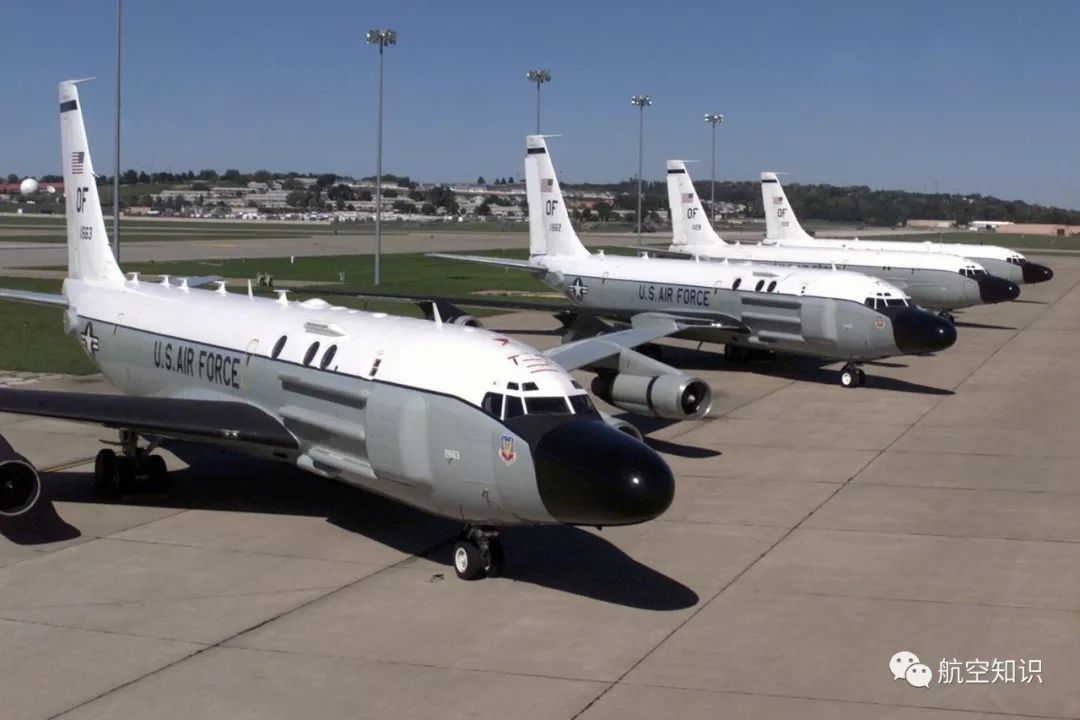
▲RC-135 (Source: USAirForce)
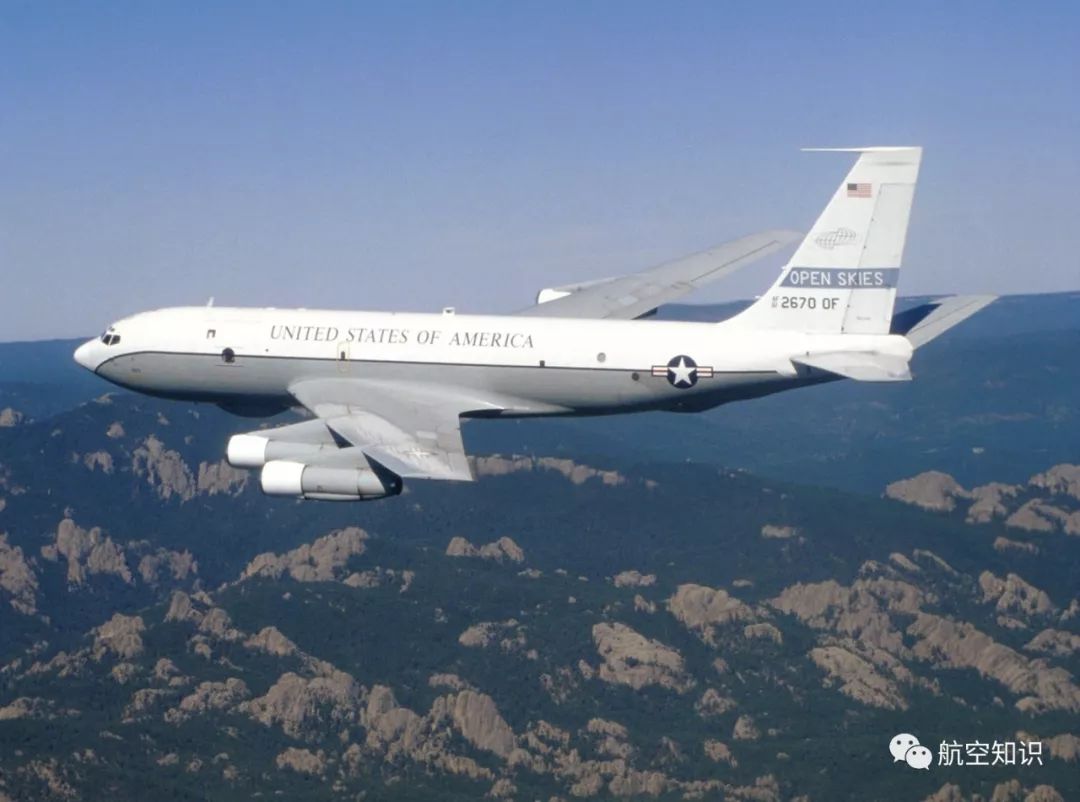
▲OC-135B (Source: USAirForce)
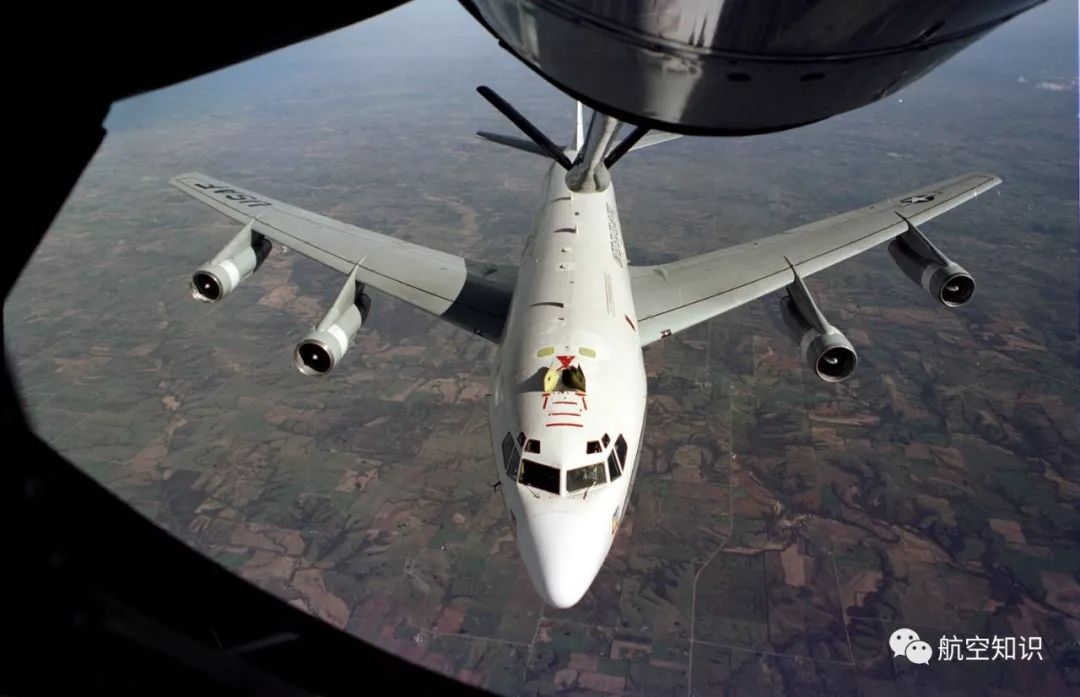
▲WC-135 (Source: USAirForce)
3.MQ-1BPredator was officially retired on March 9, 2018, and the US Air Force then vigorously developed MQ-9AReaper (Reaper).
All right!
Let’s officially start the second steak!
Fourth, transport aircraft
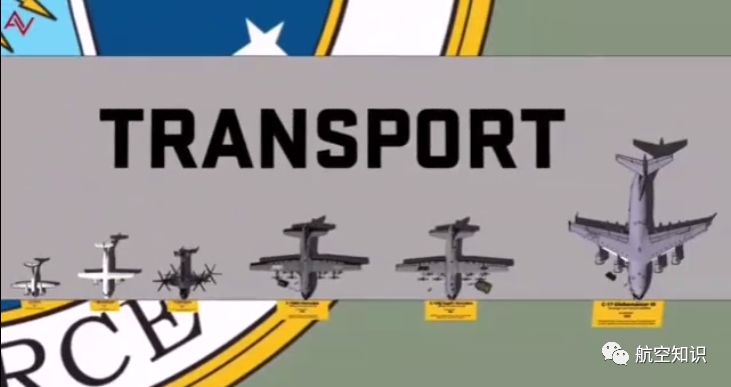
According to the US Army Yearbook 2019, several models will be added.
one
UH-1N utility helicopter
Number of service: 63
Manufacturer: Bell
First flight: April 1969
Performance: the maximum speed is 220km/h and the range is 460km;; The ceiling is 5273m, and the climbing speed is 8.9m/s.
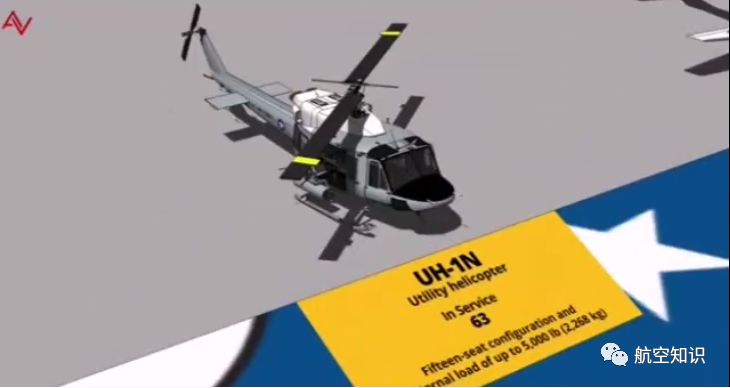
UH-1N is a medium-sized military helicopter launched in 1968. Initially, it provided search and rescue capability, and later replaced the early Huey modification, which was used for safety and support tasks in the field of intercontinental ballistic missiles.
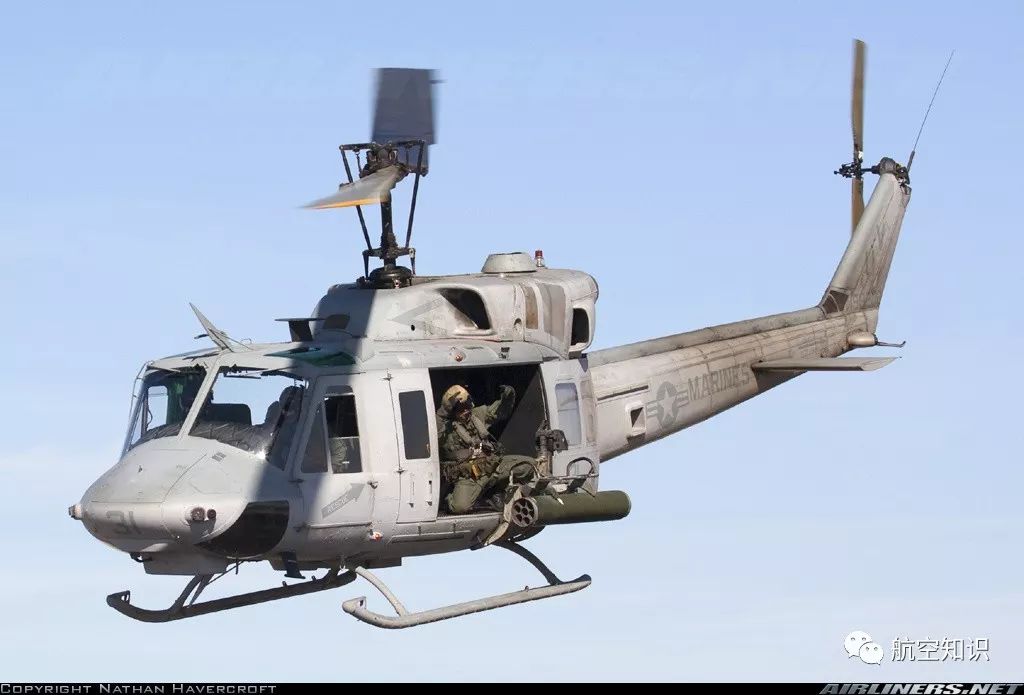
▲UH-1N (photo: NathanHavercroft)
The UH-1N has 15 seats, including a pilot and 14 passengers. When performing transportation tasks, the internal capacity reaches 220 square feet (6.23 square meters) and the external load can reach 5,000 pounds (2,268 kilograms).
2
C-12 "Huron"
Number of years of service: 26
Manufacturer: Beach
Performance: the maximum speed is 535km/h and the range is 3338km;; The ceiling is 10700m m.
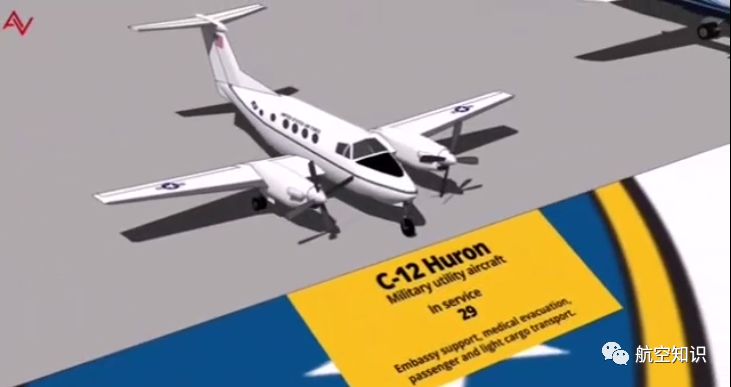
C-12 Huron is a military twin-engine turboprop aircraft. It is used for various tasks, including embassy support, medical evacuation, and passenger and light cargo transportation.
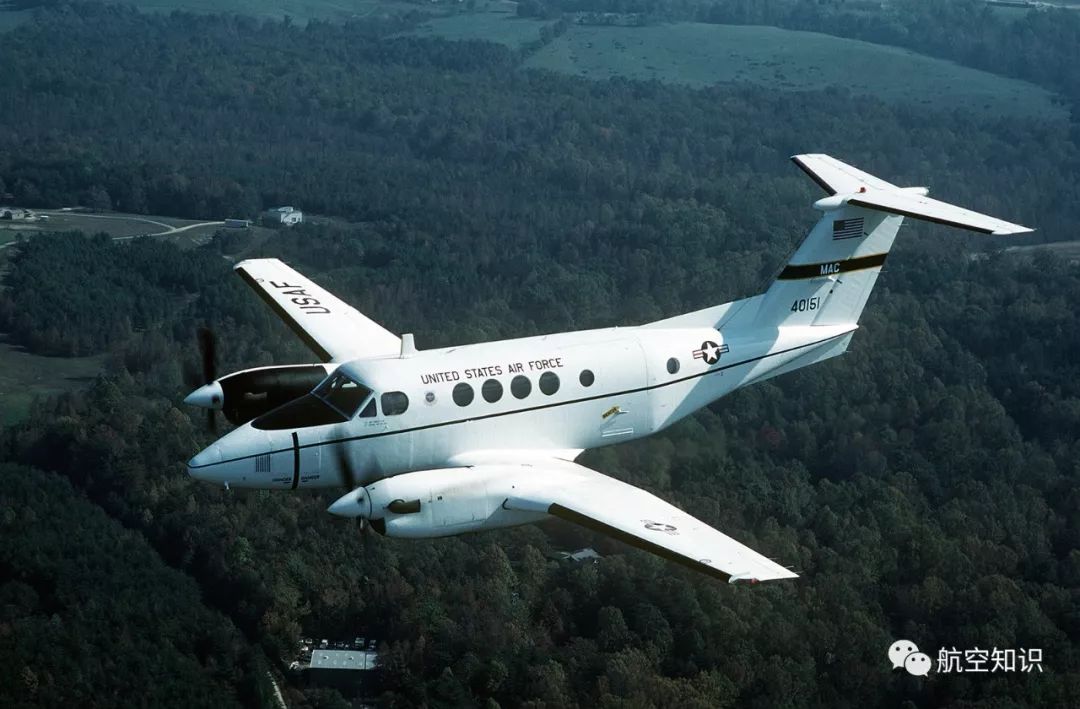
▲C-12Huron (Source: TheU.S.NationalArchives)
three
C-146A "wolfhound"
Number of service: 17
Manufacturer: Donnell Fairchild
First flight: December 6, 1991 (Dornier328)
Performance: the maximum speed is 620km/h and the range is 3334km;; Upper limit of 9449m
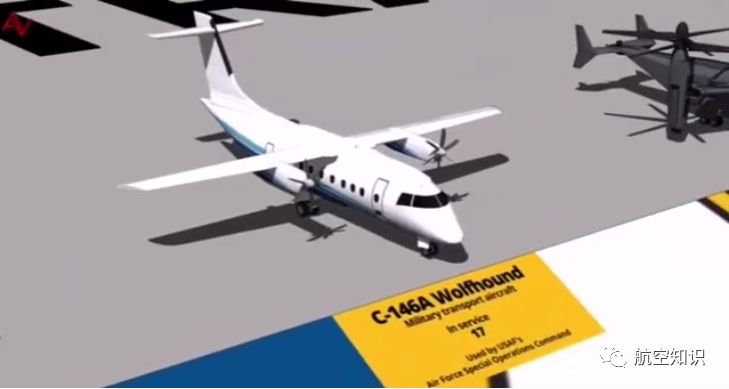
C-146A "Wolfhound", a military version of Dornier328, provides sensitive and operable transportation for USSOCOM personnel in the war zone. The aircraft is also used to perform non-standard aviation (NSAv) missions to assist the Joint Special Operations Command.
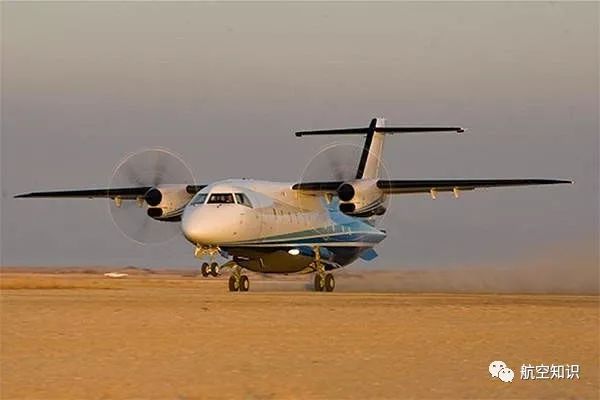
▲C-146A (Source: AIRFORCETECHNOLOGY)
It is deployed at Cannon Air Force Base together with the 524th Special Operations Squadron of the US Air Force Special Operations Command (AFSOC) to carry out cargo replenishment, air transportation and other military tasks at airports around the world.
C-146A began to serve in the U.S. Air Force in June 2011, and entered the U.S. Africa Command (AFRICOM) in October 2011 to assist overseas emergency operations. In addition, it has deployed four geographical combat headquarters.
four
CV-22B Osprey tilt-rotor aircraft
Number of service: 50
Manufacturer: Boeing, Bell
First flight: March 19, 1989 (V-22)
Performance: cruising speed 446km/h, range 1627km;; Upper limit of 7620m
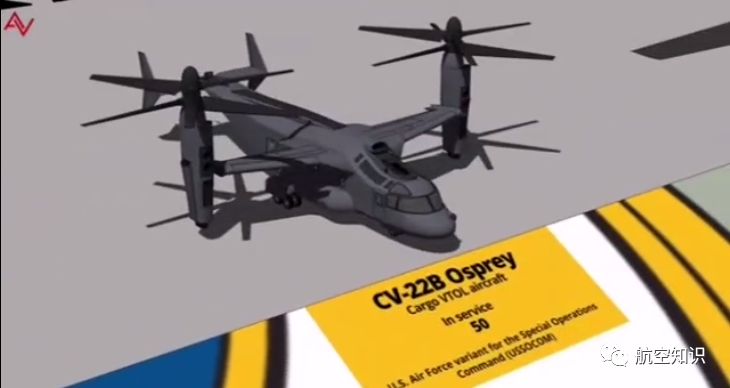
V-22 osprey tilting rotorcraft is a tilting rotorcraft with vertical takeoff and landing capability and short takeoff and landing capability. With a speed of 500 kilometers per hour, it is the fastest helicopter in the world.
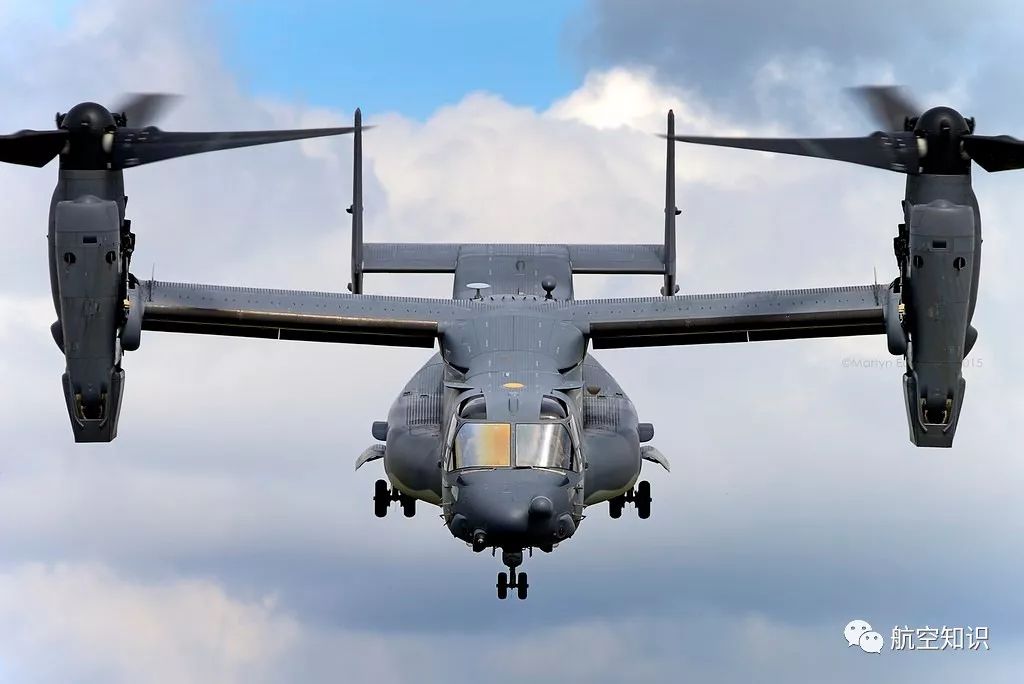
▲CV-22B (Source: flickr)
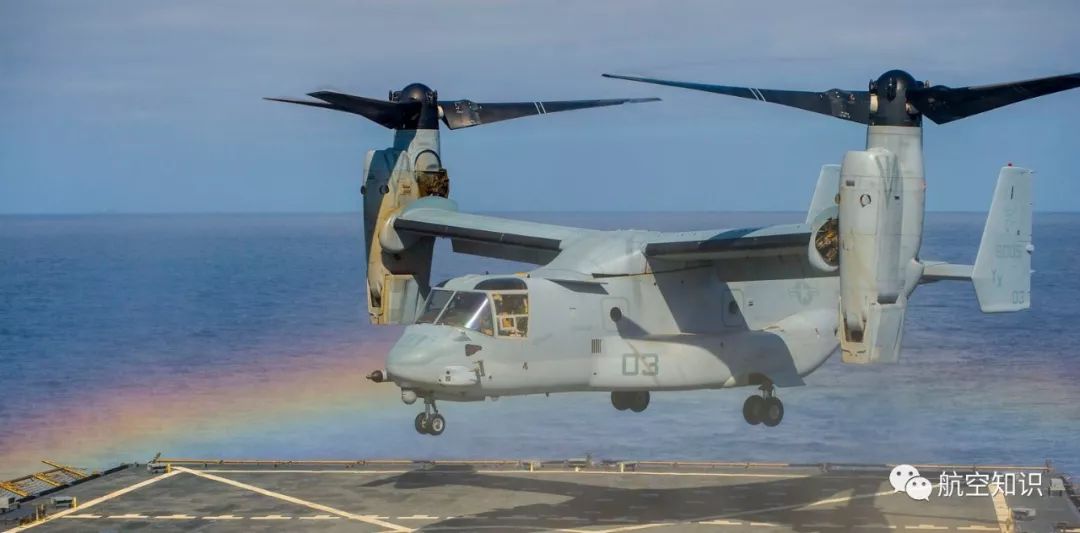
▲CV-22B (Source: USAirForce)
CV-22B is equipped with a fully integrated precise TF/TA radar navigation, digital cockpit management system, forward-looking infrared radar, digital map system, powerful self-defense system, safe anti-jamming communication system, etc. It is a model used by aviation combat forces under the United States Special Operations Command (USSOCOM), and will carry out long-range and special combat missions, and will be equipped with an auxiliary fuel tank.
five
C-130H Hercules
Number of service: 176
Manufacturer: Lockheed Martin
Performance: the maximum speed is 593km/h and the range is 3797km;; The ceiling is 10000m m.
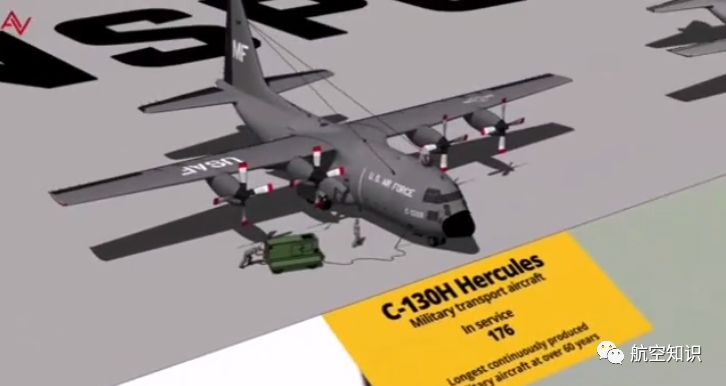
The C-130H is a comprehensive improved model introduced by the C-130 family in the 1960s, and it is also the main tactical air transport aircraft of the US military at present.
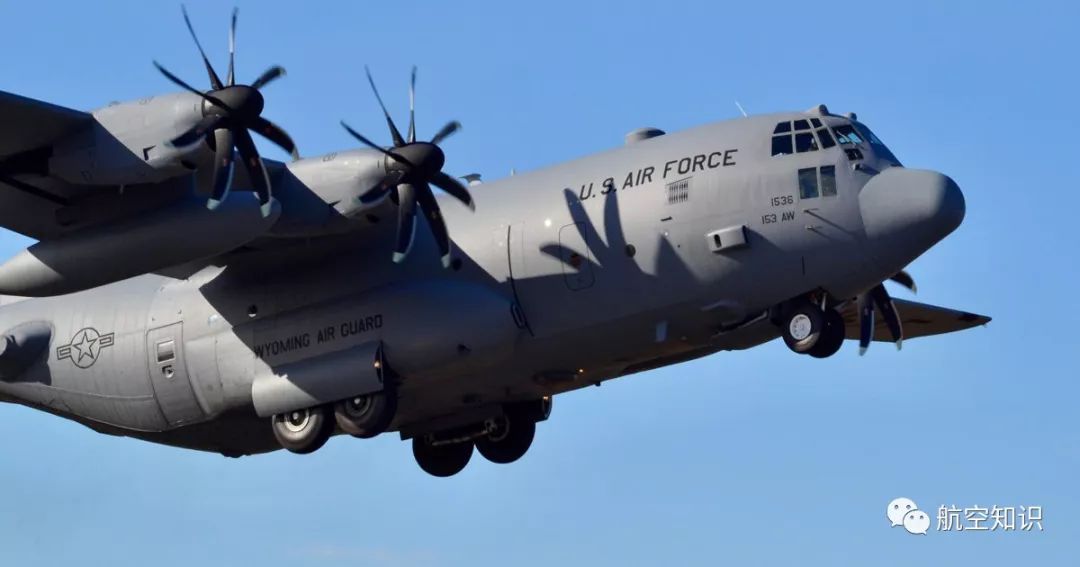
▲C-130H (Source: UTCAerospaceSystems)
C-130 Hercules (Hercules, a hero in Greek mythology) medium-sized tactical transport aircraft is the most successful, longest-lived (in service in 1956) and most productive active transport aircraft in the United States (with a total production of more than 2,000 aircraft), which occupies a core position in American tactical air transport forces and is also an important auxiliary force in American strategic air transport.
The C-130 is equipped with four turboprop engines, which can take off and land on an unprepared runway. It was originally designed to transport armed forces, medical rescue and cargo transshipment. Later, it evolved into various uses, including air strikes, search and rescue, scientific research, meteorological observation, aerial refueling, coastal patrol, and aerial fire fighting.
Among them, WC-130 is an aviation meteorological observation/reconnaissance aircraft modified from C-130 by the Aviation Meteorological Service of the US Air Force, which can undertake tasks such as atmospheric sampling, artificial rainfall, fog driving and winter storm reconnaissance. WC-130 aircraft is equipped with a variety of aviation meteorological equipment, including atmospheric distribution data system recorder, air-dropped wind sounding system (ODWS), meteorological satellite communication system, etc. At present, the active models of the US Air Force are: WC-130H (service number: 5) and WC-130J (service number: 10).
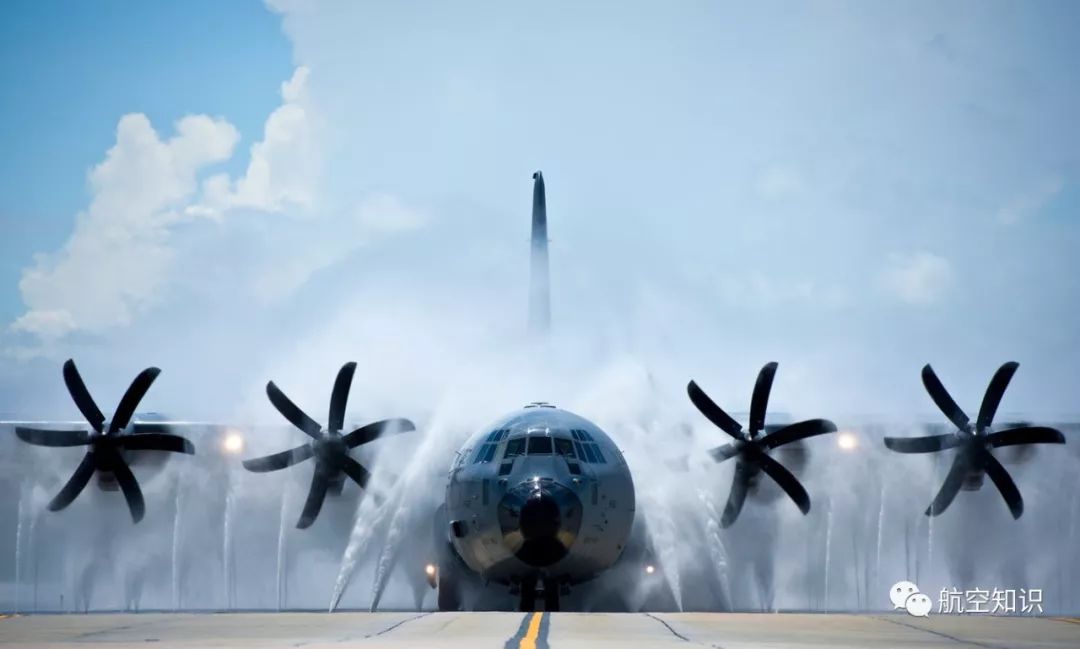
▲WC-130 (Source: USAirForce)
LC-130HHercules (service: 10) is the US Air Force/Air National Guard-providing ski equipment version for Arctic and Antarctic support operations.
six
C-130J "Super Hercules"
Number of service: 125
Manufacturer: Lockheed Martin
First flight: April 5, 1996
Performance: the maximum speed is 671km/h and the range is 3334km;; The ceiling is 8615m.
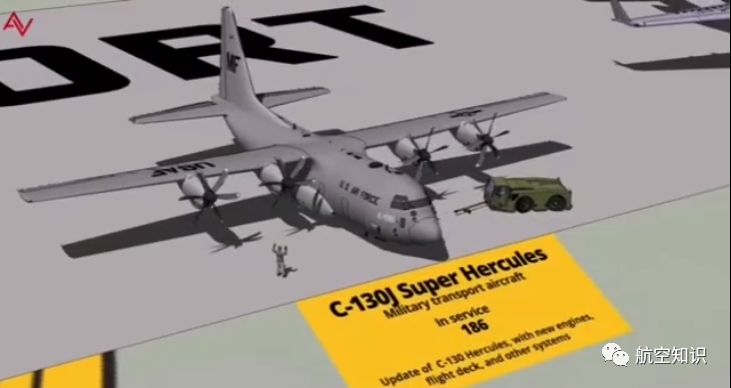
C-130J "Super Hercules" is a four-engine turboprop military transport aircraft, which is a comprehensive update of C-130 "Hercules", including new engines, cockpit and other systems.
In the 1970s, the US military launched a research and development plan to replace the C-130 next-generation transport aircraft, called the advanced medium-range short-field take-off and landing transport aircraft, but the final test result was regrettable. The flight economic benefit of C-130 is too good, and the new aircraft is not good enough to be replaced. Therefore, in the 1980s, Lockheed modified a C-130 to test advanced technology and accumulated background information for subsequent improvement. The testing machine was called the high-tech verification foundation. In the 1990s, the technical inspection data of HTTB became the starting point for developing C-130J, which took over as the latest mass production version after the H-type was discontinued in 1996.
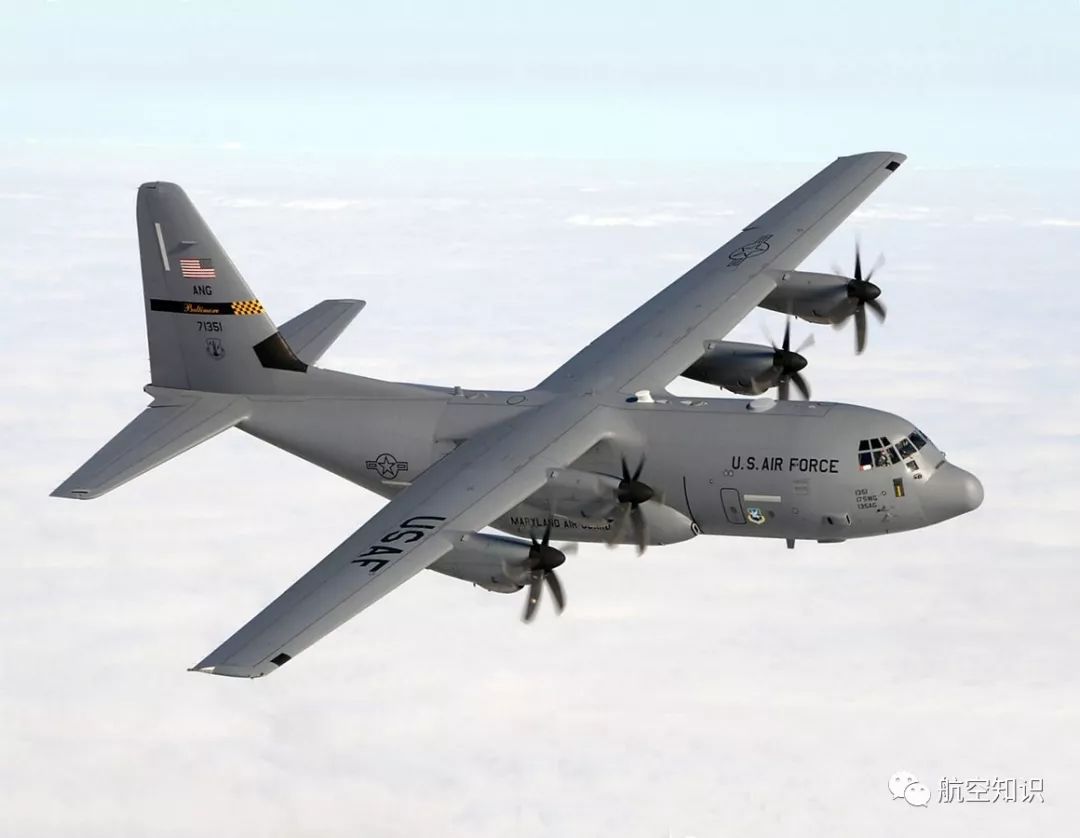
▲C-130J (Source: WikimediaCommons)
Thanks to the upgrade of avionics system, the crew of Model J was reduced to three, and the engine was changed to Rolls-Royce AE-2100D3 turboprop engine. The AE-2100D3 is a derivative of V-22 AE-1107C engine, and a newly designed six-blade propeller-"micro-blade propeller" was adopted, which reduced the fuel consumption and engine consumption by 3.3% compared with ordinary propellers during cruising. Compared with the original model, not only the maximum takeoff weight is increased to 74,400 kg, but also the attack landing weight is increased to 64,400 kg, and the flight speed and combat distance of the C-130J have made remarkable progress.
seven
C-17A "Global Overlord III"
Number of service: 222
Manufacturer: McDonald Douglas (now: Boeing)
First flight: September 15, 1991
Performance: cruising speed 833km/h, range 4482km;; The ceiling is 14000m.
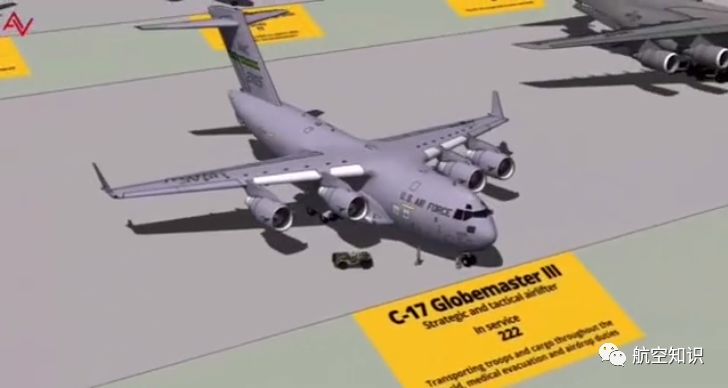
C-17 Globemaster III is the latest strategic military transport aircraft with high flexibility, which is suitable for the strategic transport of quickly deploying troops to major military bases or directly transporting them to forward bases. If necessary, the aircraft can also be competent for tactical transport and airdrop missions.
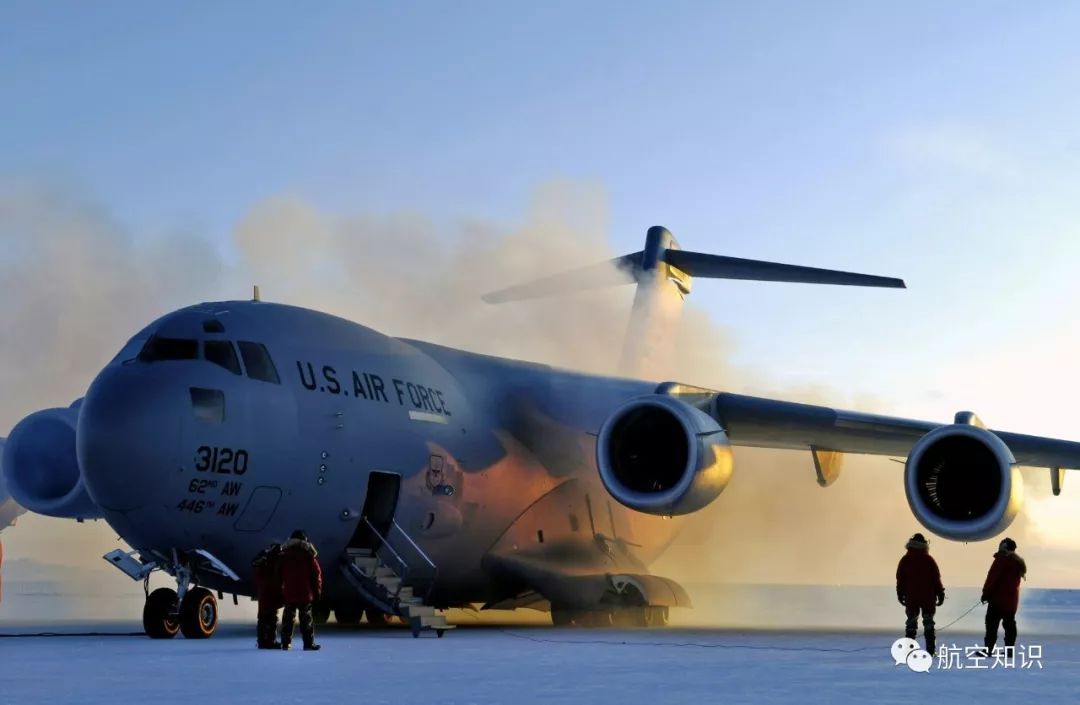
▲C-17 GlobemasterIII (Source: alamy.com)
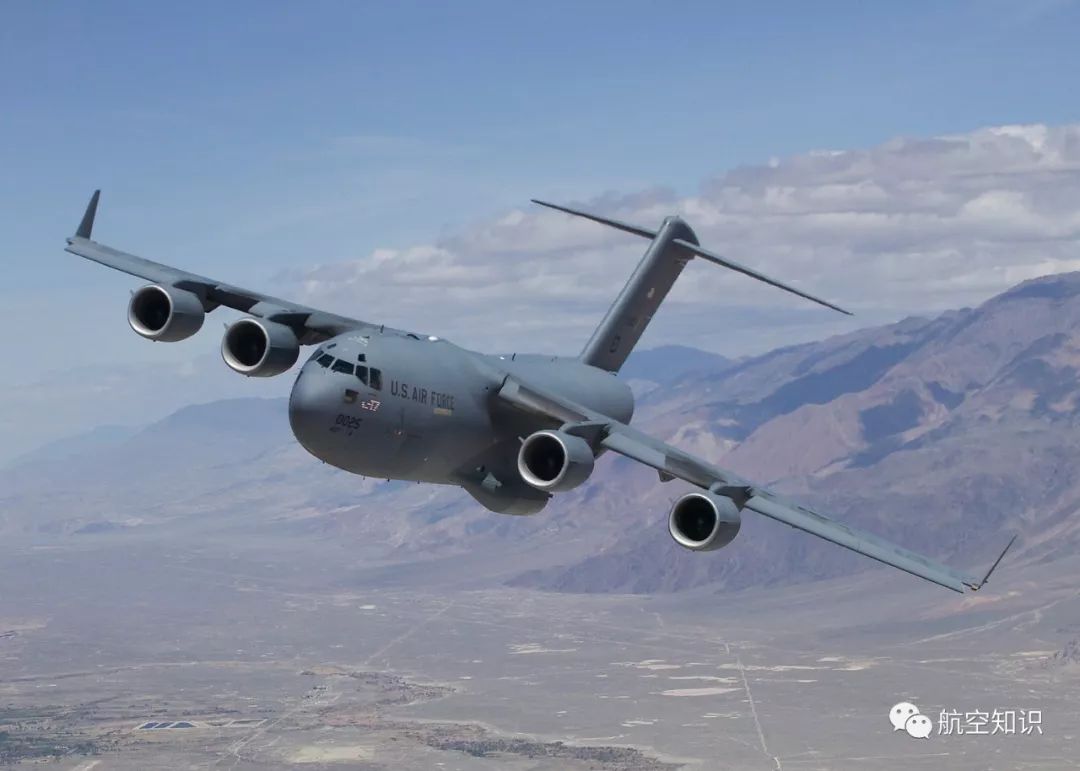
▲C-17 GlobemasterIII (Source: WikimediaCommons)
The strong mobility and flexibility of the C-17 have greatly improved the ability of the US military to mobilize troops by air around the world. It is the only transport aircraft in the world that can adapt to strategic and tactical tasks at the same time.
eight
C-5M "Super Galaxy"
Number of service: 52
Manufacturer: Lockheed Martin
First flight: June 6, 2006
Performance: the maximum speed is 917km/h and the range is 4440km;; The ceiling is 10360m
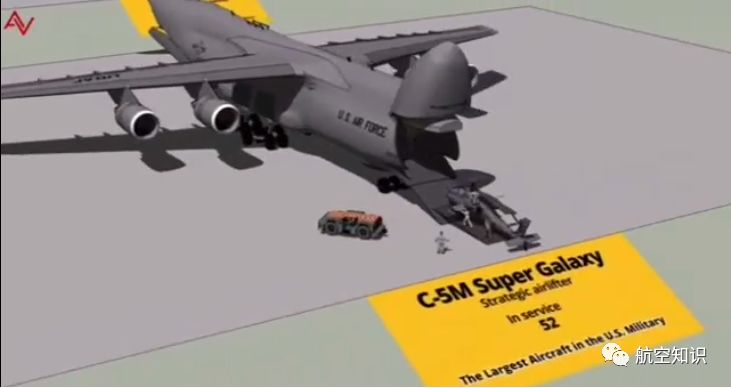
C-5 "Galaxy" is the largest strategic transport aircraft in active service of the US Air Force, which can carry oversized cargo on a global scale and take off and land in a relatively short distance. Ground workers can load and unload at the front and rear doors of the C-5 at the same time.
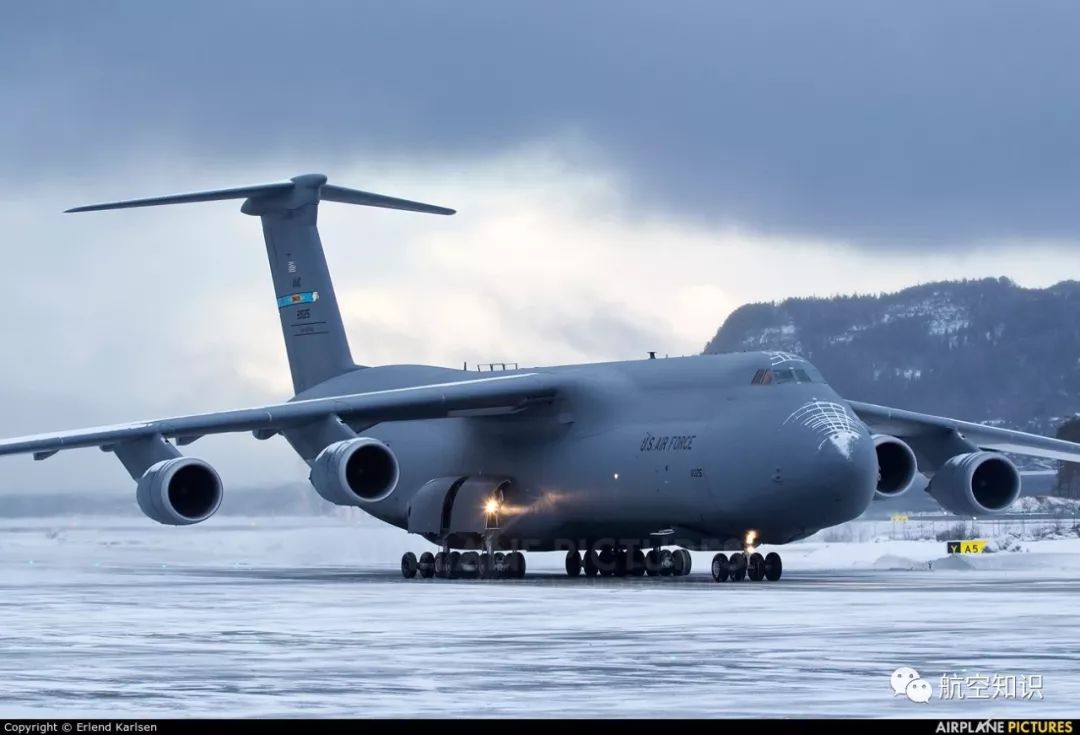
▲C-5MSuperGalaxy (photo: ErfendKarlsen)
The upgraded version of C-5M "Super Galaxy" (C-5m MSUPERGALAXY) is equipped with new engines and other modern equipment. The engine thrust is increased by 22%, the takeoff distance is shortened by 30%, and the climb rate is increased by 38%. It is expected to be in service until 2040.
nine
C-21ALearjet
Number of service: 18
Manufacturer: Learjet (Lille)
First flight: August 22, 1973 (Learjet35)
Performance: the maximum speed is 853km/h and the range is 3690km;; The ceiling is 13700m
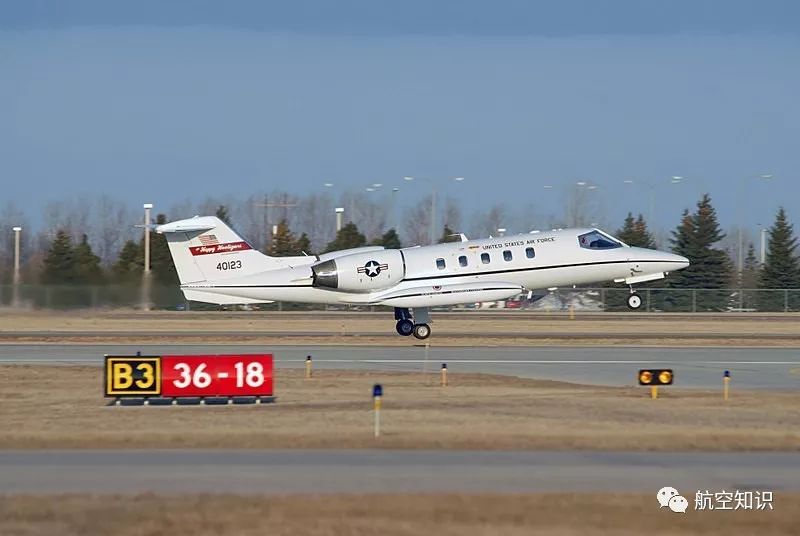
▲C-12ALearjet (Source: Wikimedia Commons)
Learjet 35 and 36(Learjet36 are small commercial jets manufactured by Learjet. In 1983, the U.S. Air Force ordered 80 Learjet 35 Type A jets as air force operation support planes, and the military number was C-21A.
V. VIP transport aircraft
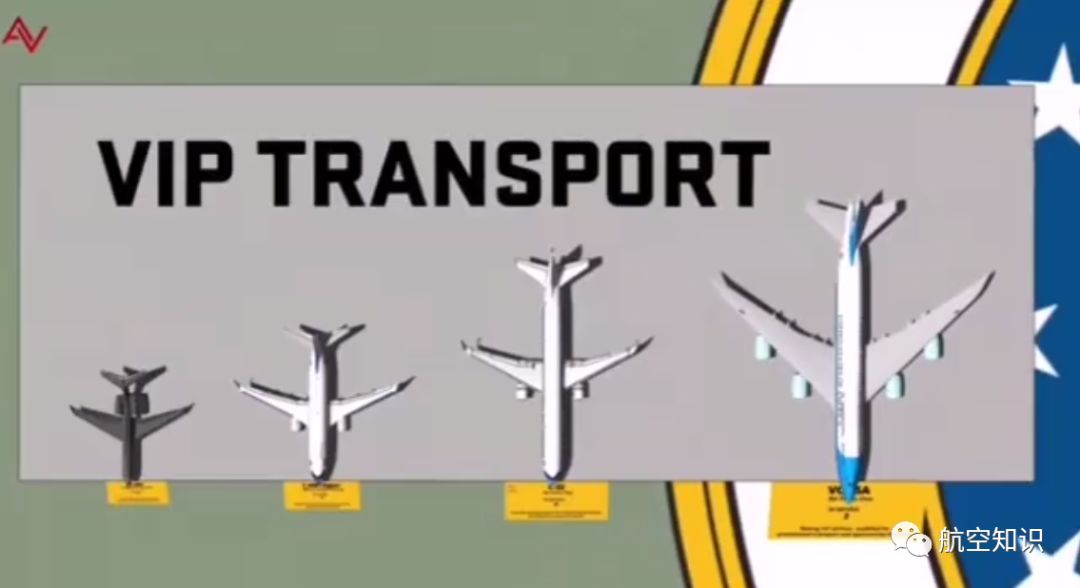
one
C-20H
Number of service: 1
Manufacturer: Gulfstream Airlines
Performance: the maximum speed is 927km/h and the range is 7588km.
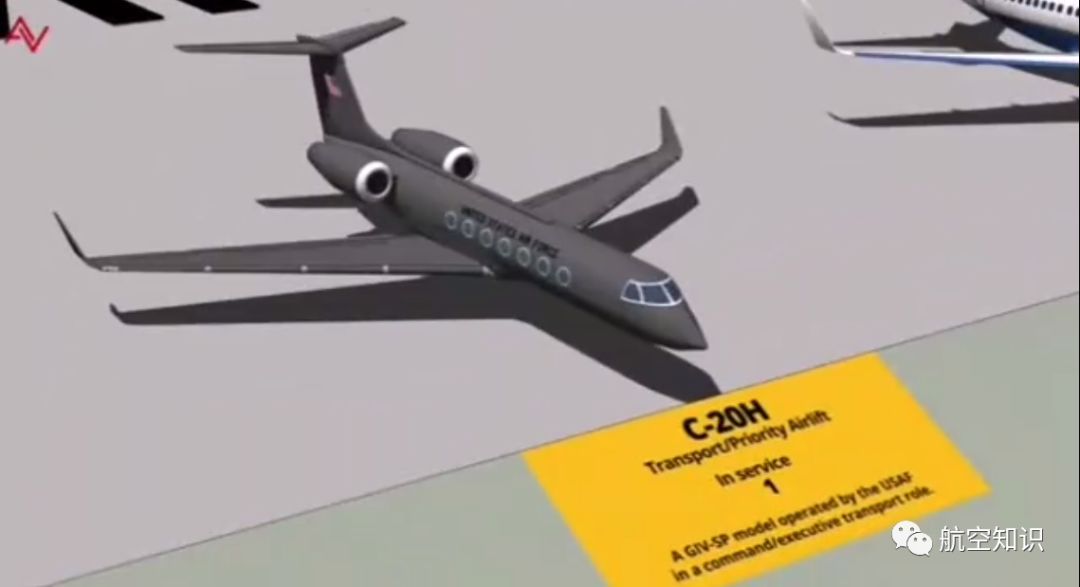
The C-20 is a twin-engine small transport aircraft launched by Gulfstream. It is a military modification of the Gulfstream series of commercial aircraft, and is mainly used to transport senior officials and important visitors of the US government and the Department of Defense.
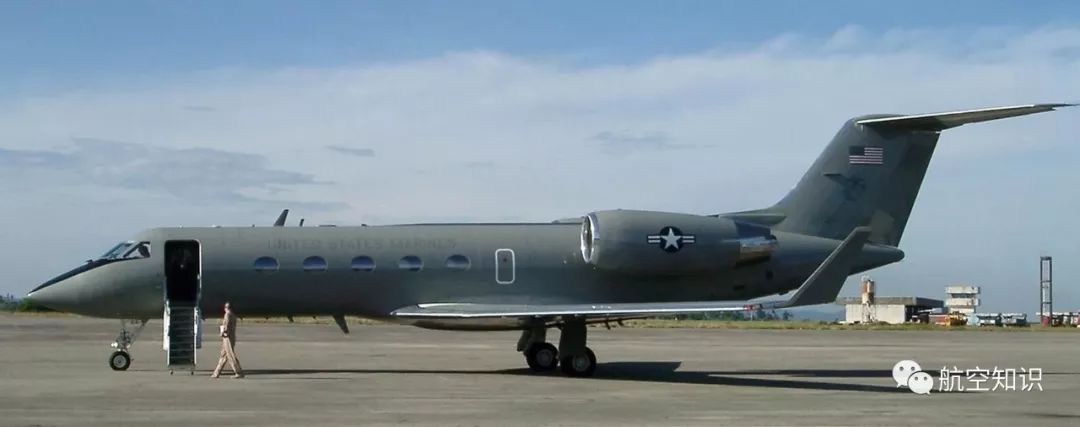
▲C-20 (Source: Wikimedia Commons)
2
C-40BClipper
Number of service: 4
Manufacturer: Boeing
First flight: April 21, 2001
Performance: the maximum speed is 989km/h and the range is 5556km;; The ceiling is 12000m.
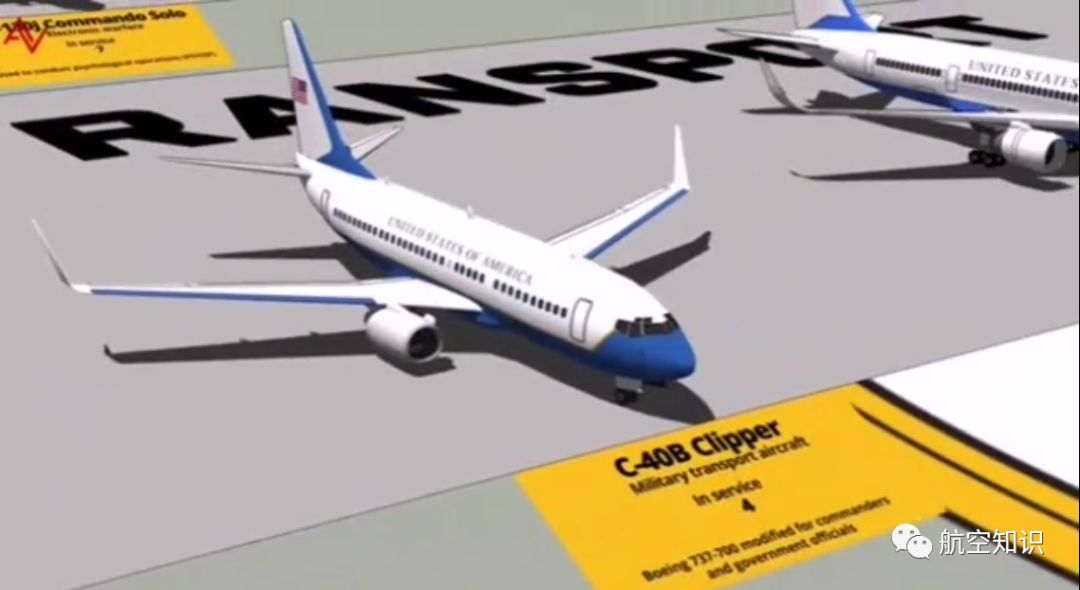
C-40 transport aircraft is a military model of Boeing 737-700. The US Air Force chose the C-40B to replace the aging fleet C-137 aircraft as the US combat commander.
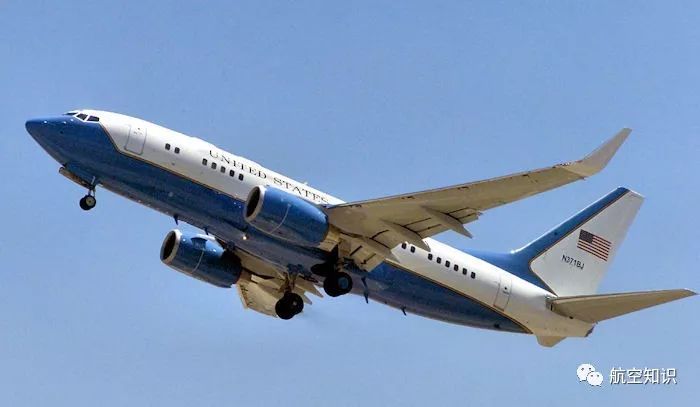
▲C-40B (Source: Wikimedia Commons)
The C-40B aims to become the "sky office" for senior military and government leaders. It is used to transport senior military commanders, cabinet officials and members of Congress, as well as to perform tasks.
The C-40B aircraft is assigned to the US Air Force, and the C-40C aircraft (service number: 7) will be used by the National Air Guard. C-40B can transport at least 32 passengers; The C-40C can carry 40 people to fly 5000 nautical miles (9260km) or 68 people for short-distance flight.
three
C-32
Number of service: 6
Manufacturer: Boeing
Performance: the maximum speed is 968km/h and the range is 11100km;; The ceiling is 12800m m.
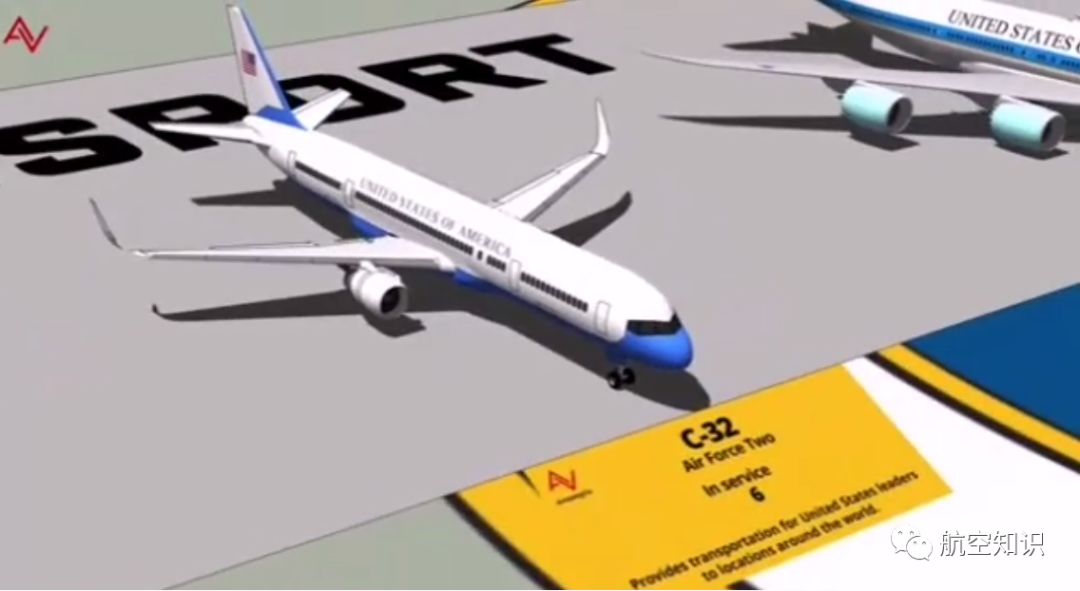
C-32 is a Boeing 757 medium-sized narrow-body-twin-engine-jet airliner, which can be used by the government after modification and provides transportation services to American leaders all over the world.
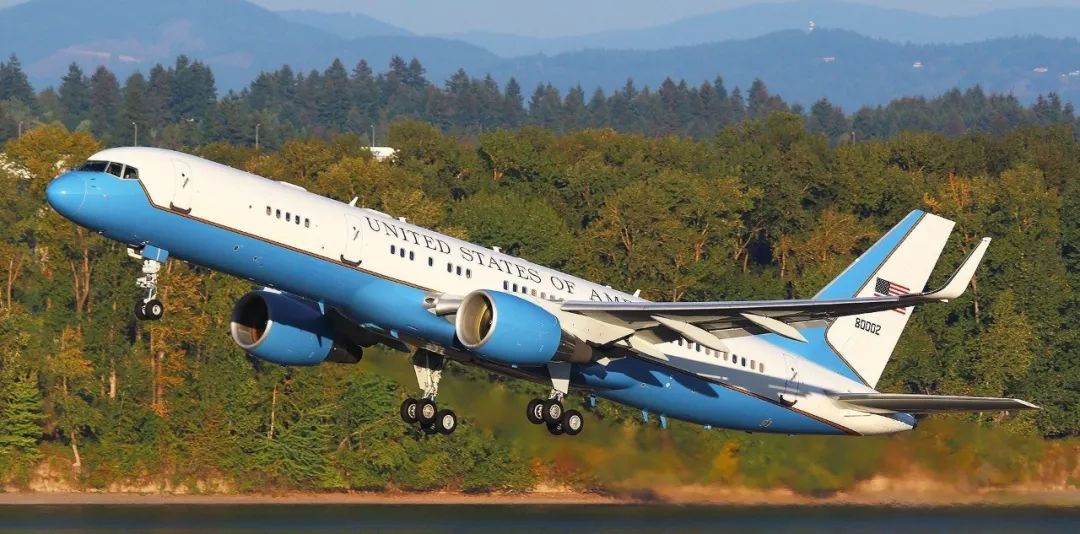
▲C-32 (Source: Wikimedia Commons)
The main users of C-32 are the vice president of the United States (using the unique call sign "Air Force II"), the first lady and the Secretary of State. In rare cases, other members of the US cabinet and congressional leaders are authorized to fly to various missions on C-32.
four
VC-25A "Air Force One"
Number of service: 2
Manufacturer: Boeing
First flight: May 16, 1987
Performance: the maximum speed is 1015km/h and the range is 13000km;; The ceiling is 13700m
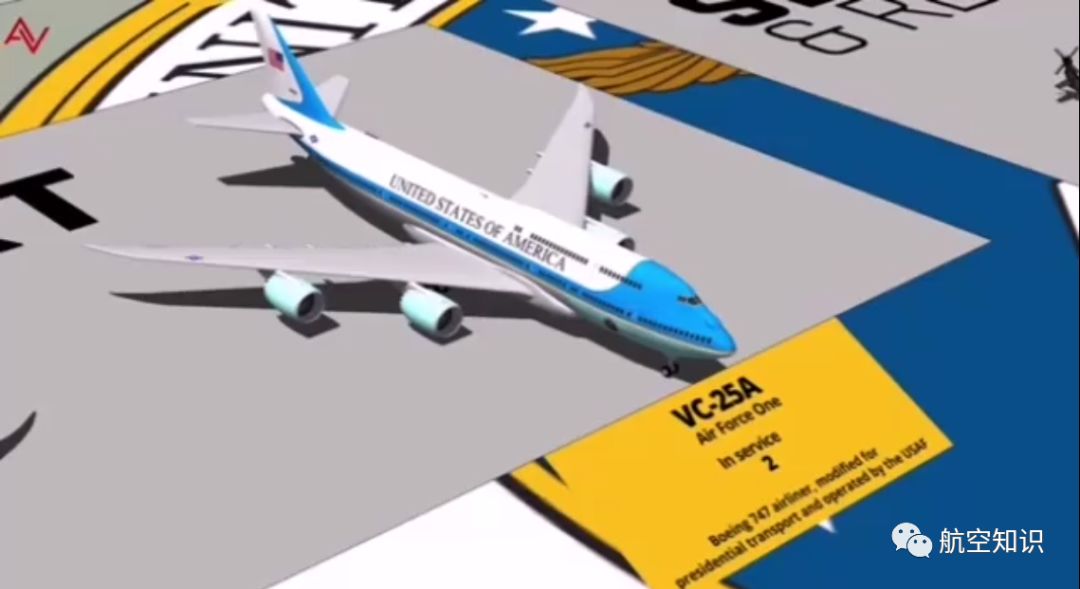
VC-25A "AirForceOne" is the special plane of the President of the United States. This blue and white Boeing 747 has become a symbol of American power and an international totem of the United States. Air Force One is also often called "White House in the Air". The interior of the plane was designed by nancy reagan, then the first lady of the United States, and adopted the design style of the southwestern United States.
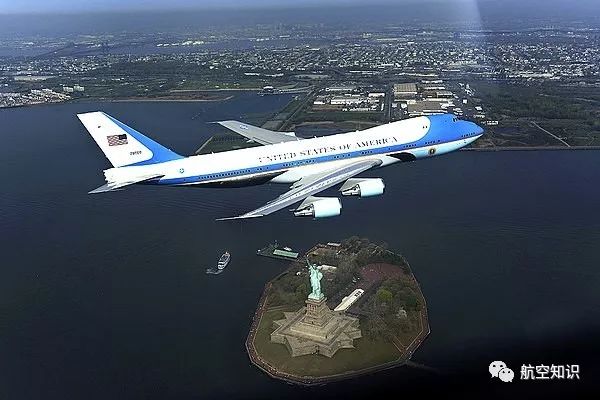
▲ Air Force One low-flying photo event map (released by the US Department of Defense)
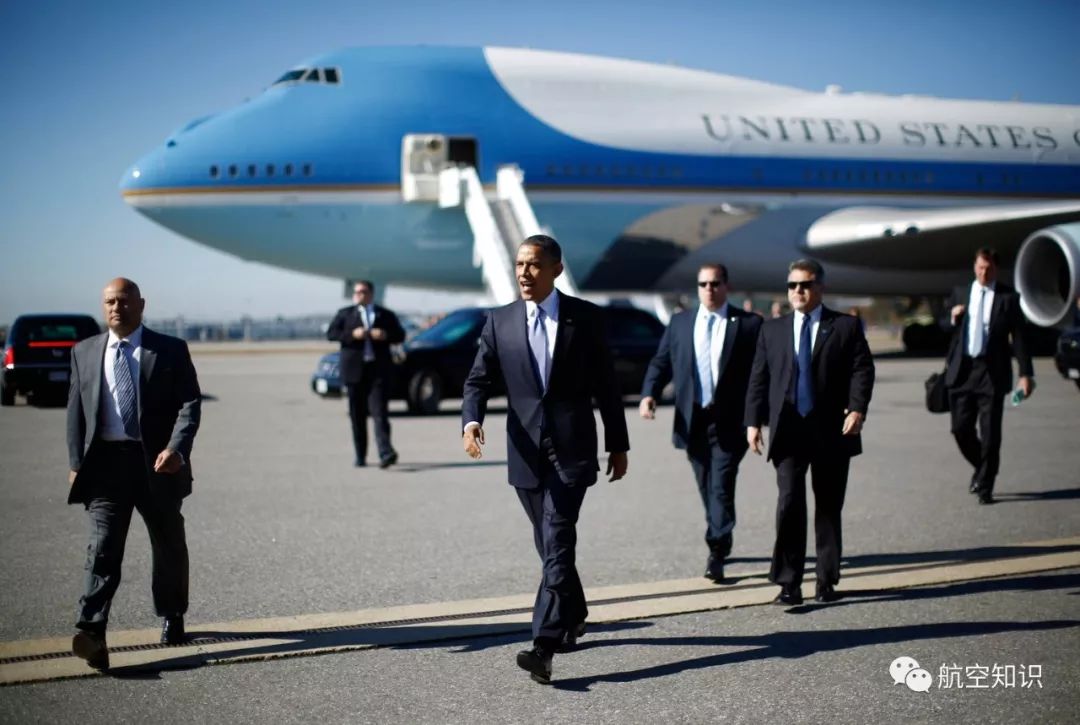
▲ Source: USAirForce
There is a presidential suite in the front of VC-25A, including the presidential bedroom and a private office (also called "Oval Office on Air Force One"). If necessary, the president can make a speech to the whole country from the on-board office, but this function was added only after the September 11th attack. On the day of the attack, the special plane of US President george walker bush had to land at barksdale Air Force Base for the president to make a speech, which also exposed the problem of insufficient communication ability of VC-25A.
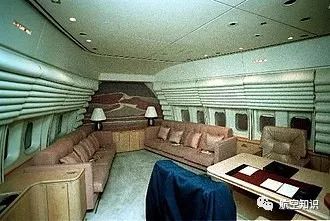
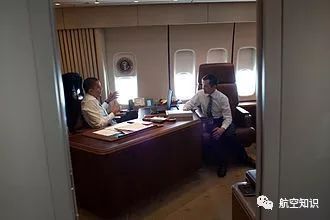
Above: the presidential bedroom located in the front cabin of VC-25A, in which the sofa can be unfolded into a bed; Next: On March 15th, 2010, US President Barack Obama met with Dennis Kucinich in his office on VC-25A.
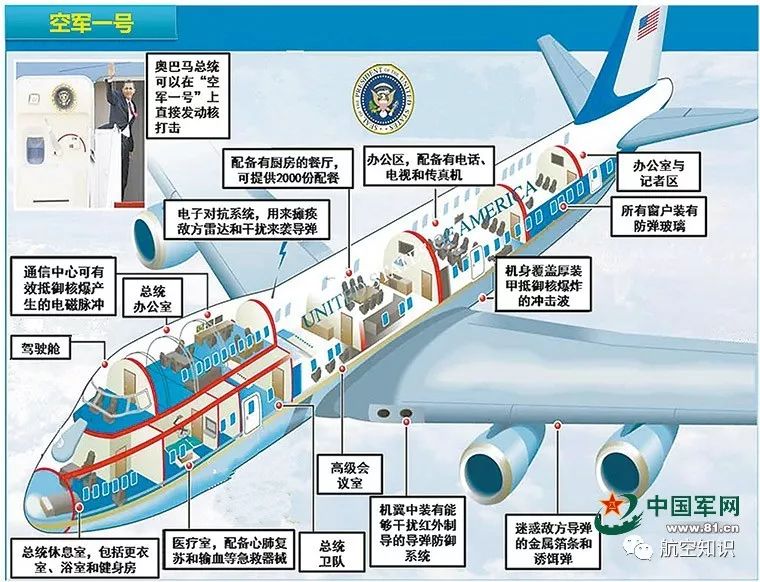
▲ Internal structure diagram of Air Force One (Source: China Military Network)
The communication equipment in the cockpit is located on the upper floor, and the communication facilities on board are also classified as confidential and non-confidential.
five
C-37A GulfstreamV
Number of years of service: 9
Manufacturer: Gulfstream Airlines
First flight: June 1997
Performance: cruising speed 882km/h, range 10186km.
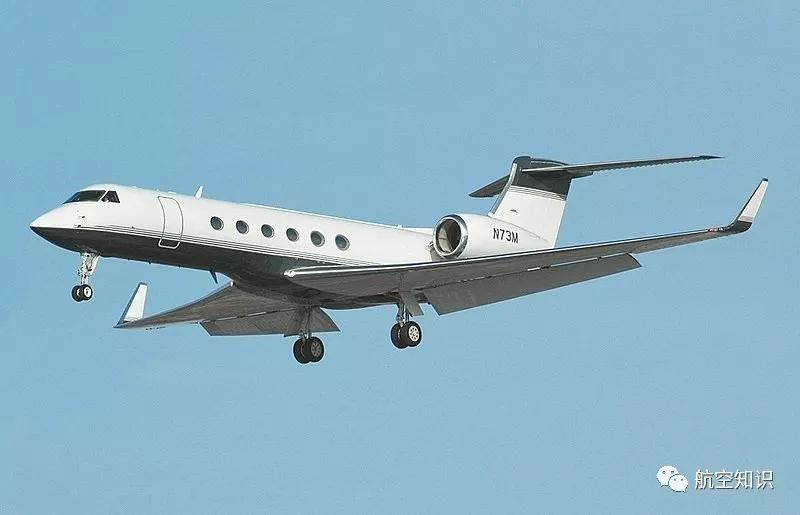
▲Gulfstream V (Source: WikimediaCommons)
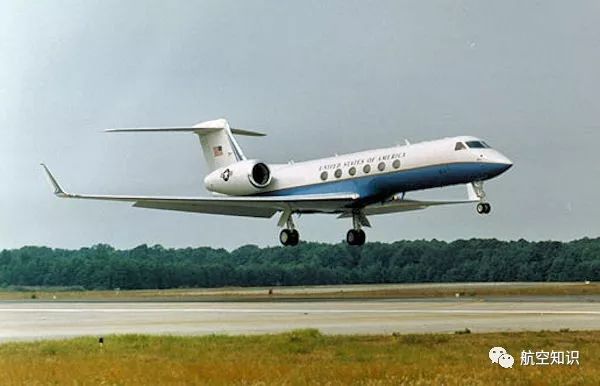
▲C-37A (Source: WikimediaCommons)
GulfstreamV (Gulfstream V) was designated as C-37A in the service of the US Air Force, and was used by officials of the US government and the Department of Defense. The C-37A has a flight management system with a GPS receiver and can cruise at 51,000 feet (16,000 meters). Features include enhanced weather radar, autopilot and pilot’s head-up display. Safety features include enhanced vision system, which can improve visibility in harsh environment. The aircraft is also equipped with commercial and military communication equipment to provide safe communication and data transmission functions.
six
C-37B Gulfstream V
Number of service: 3
Manufacturer: Gulfstream Airlines
Performance: cruising speed 904km/h, range 12501km;; The ceiling is 15545m
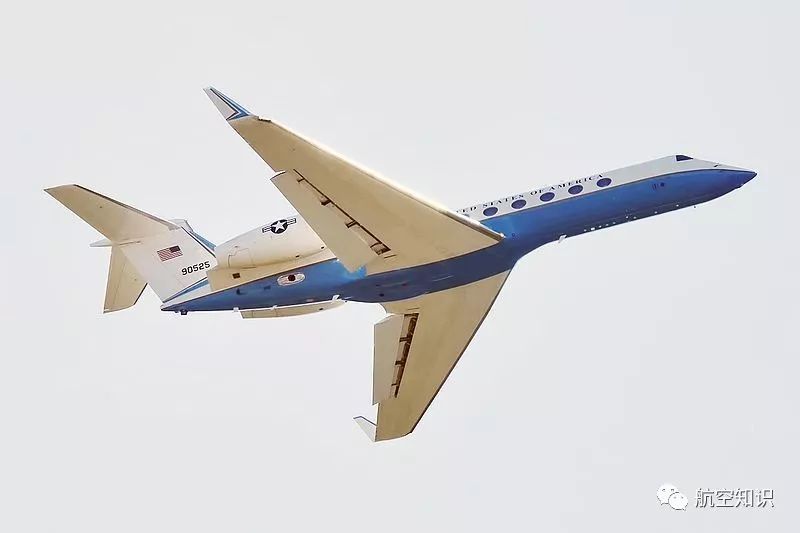
▲C-37B Gulfstream V (Source: WikimediaCommons)
C-37B is a military version of Gulfstream G550 business jet, which is used to transport VIP passengers, including the vice president of the United States. It is a former model of "Air Force II".
VI. Search and rescue
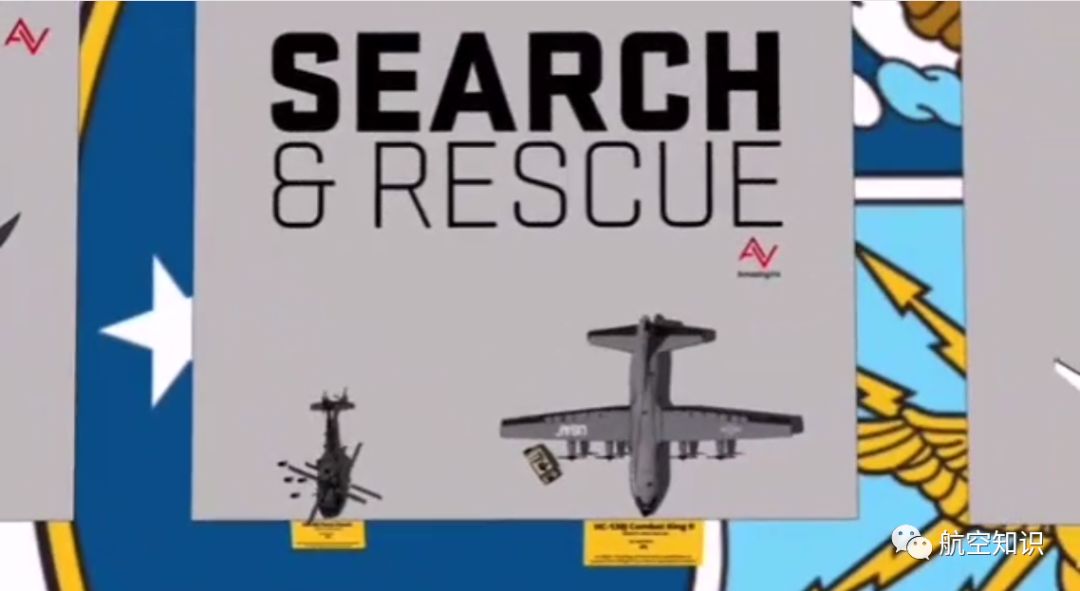
one
HH-60Pave Hawk
Number of years of service: 92
Manufacturer: Lockheed Martin
First flight: October 1974
Performance: the maximum speed is 360km/h and the range is 600km;; Upper limit 4267m
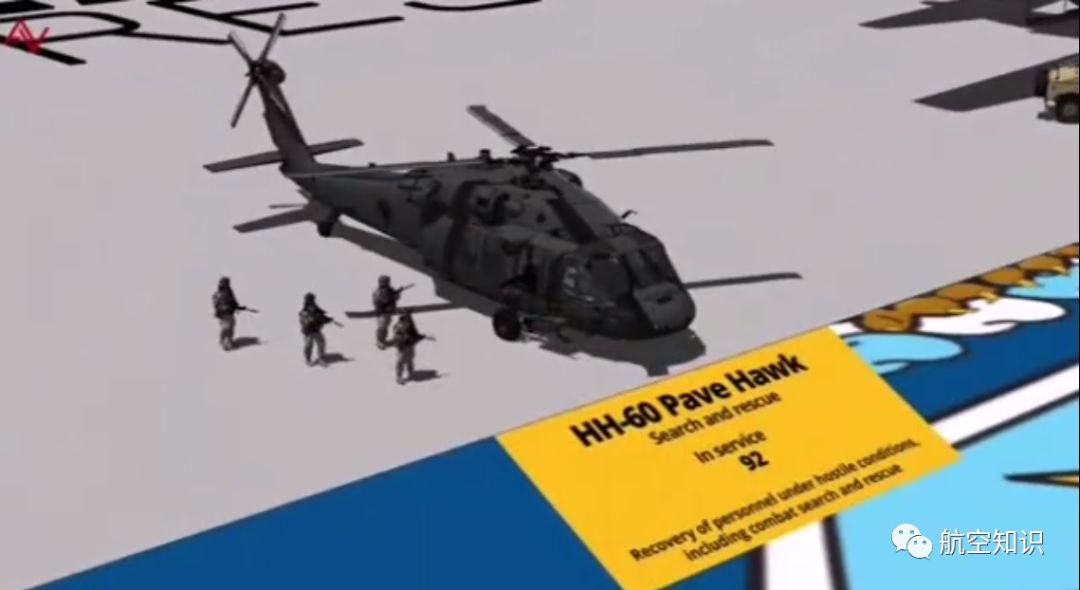
HH-60GPaveHawk ("Paving Eagle") rescue helicopter is modified on the basis of UH-60A Black Hawk helicopter, which is mainly used for combat search and rescue and support tasks.
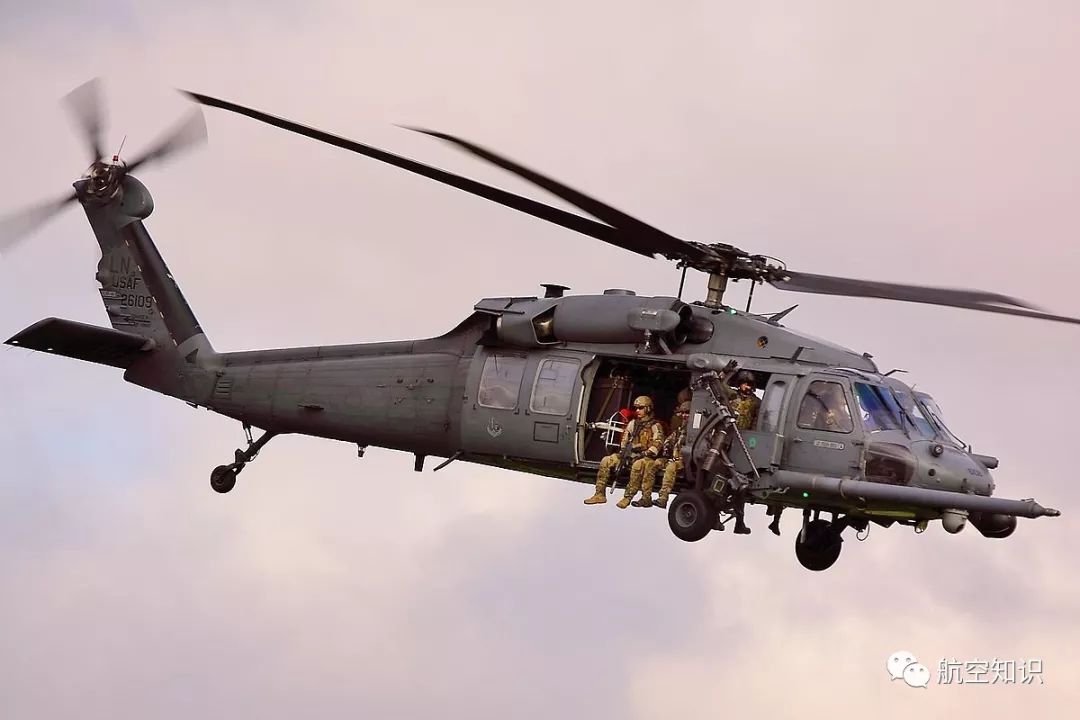
▲HH-60G (Source: WikimediaCommons)
HH-60G is equipped with advanced INS/GPS/ Doppler navigation system, satellite communication, safety/anti-jamming communication, personal positioning system (PLS), secure communication system, self-defense countermeasure equipment, AN/AAQ-16 forward-looking infrared imager, ring laser gyro inertial navigation system and so on.
2
HC-130J CombatKingII
Number of service: 24
Manufacturer: Lockheed Martin
First flight: July 29, 2010
Performance: the maximum speed is 585km/h and the range is 6440+km.
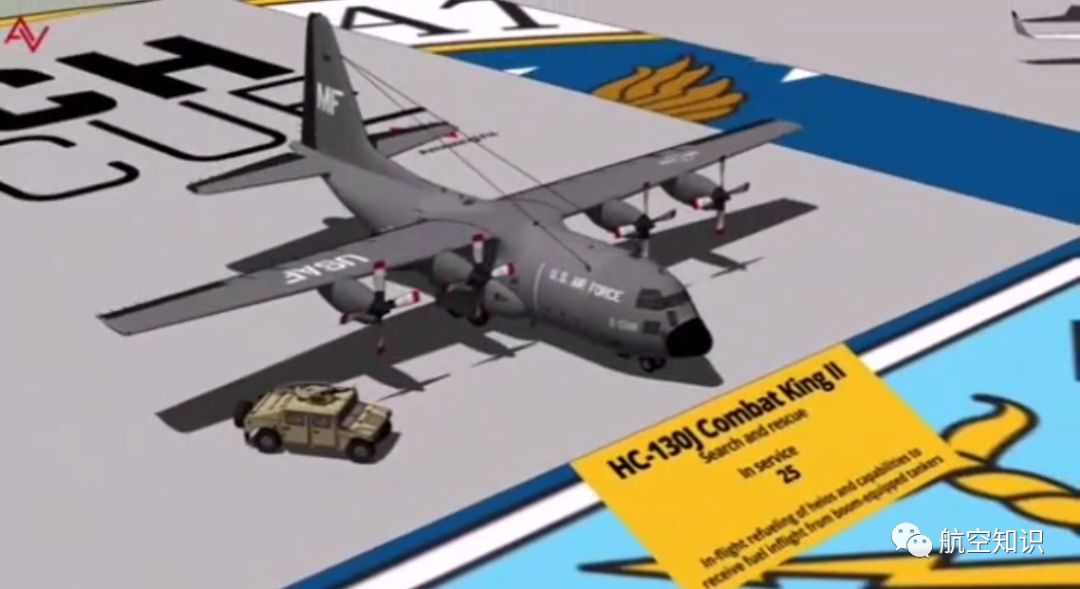
HC-130J "King of Fighting II" can refuel HH-60G "Paving Eagle" helicopter in the air and expand the flight range of this combat search and rescue helicopter.
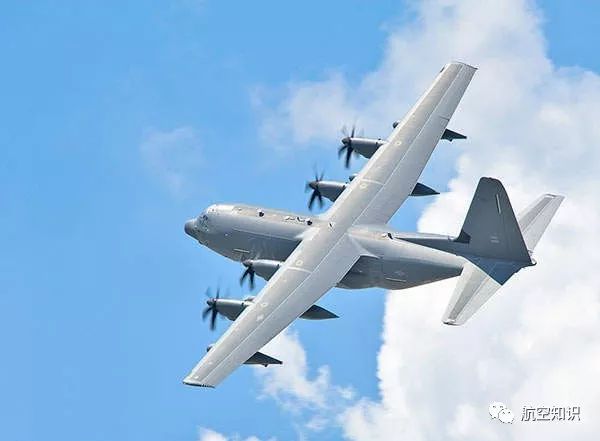
▲HC-130J (Source: WikimediaCommons)
HC-130J "Combatkingii" can also carry out tactical transportation tasks of guards, small goods, boats or all-terrain vehicles, as well as direct rescue tasks. In addition, it can also conduct tactical flight exercises to avoid being discovered by enemy forces.
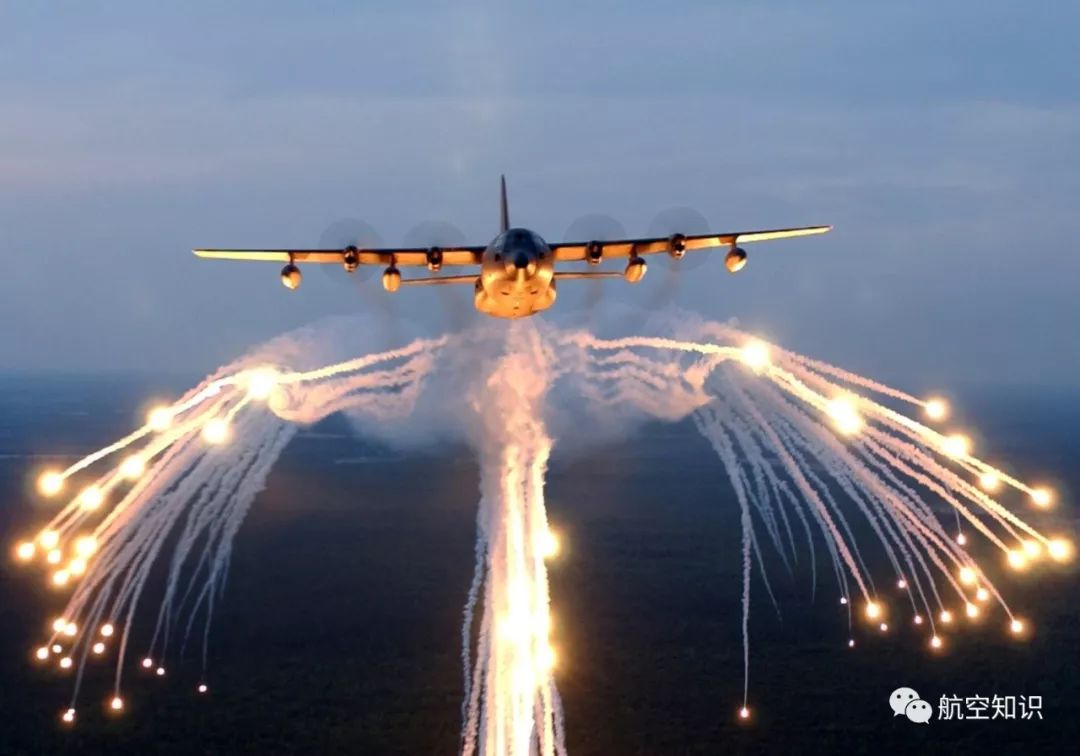
▲HC-130 (Source: USAirForce)
HC-130N/PKing (service number: 6/3) is also a different type of search and rescue, mainly used for aerial refueling and search and rescue.
Pick it up here
Xiaobian can’t help but sigh that the C-130 family is huge
Spoiler: the next issue will also include the figure of his family members.
Everyone is tired of watching it, right?
Let’s watch an advertisement and have a rest ~

advertisement
Embroidered baseball cap
"five-star 20"
NEWARRIVAL
recommended goods
Aviation knowledge five-star J -20 embroidered baseball cap
Two generations of domestic fighters appear in the same box.
Spot sale!
It will be delivered as soon as it arrives around August 12!
Seven, command and early warning control machine
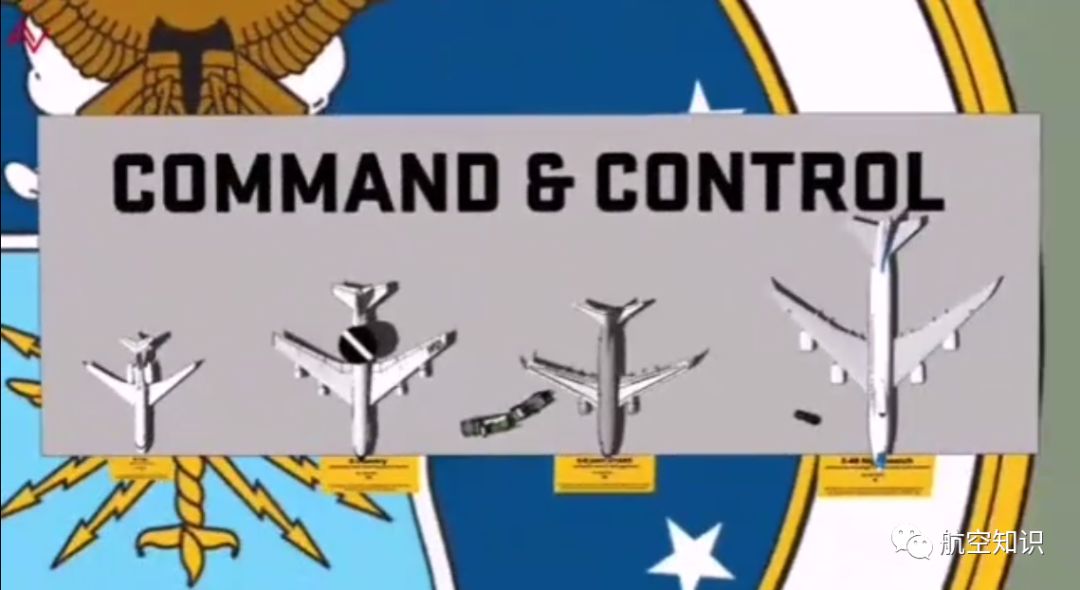
one
E-11A
Number of service: 4
Manufacturer: Northrop Grumman, Bombardier
First flight: October 6, 2003
Performance: the maximum speed is 950km/h and the range is 11390km;; The ceiling is 15500m.
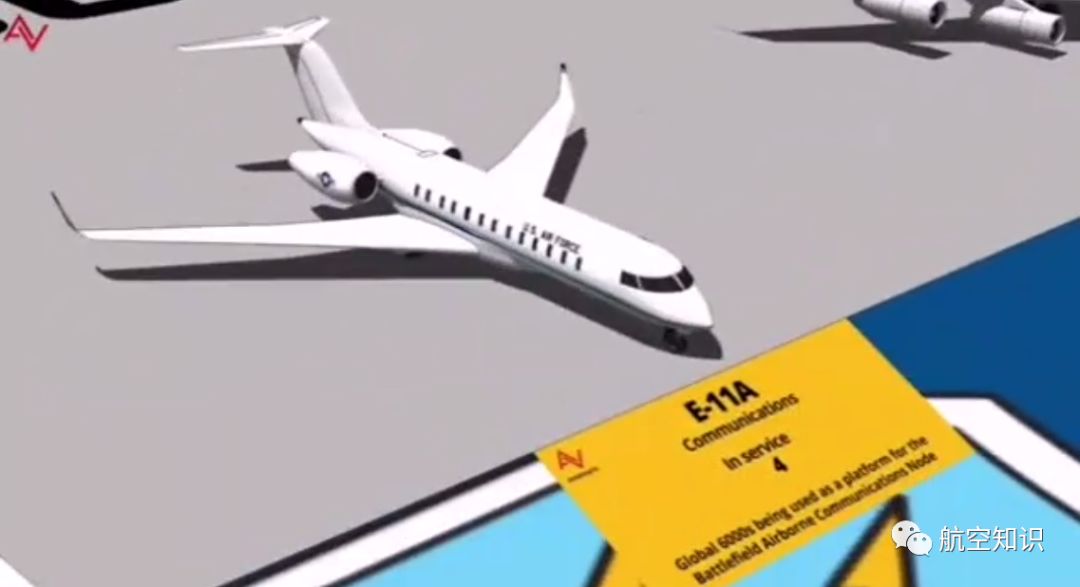
E-11A, modified from Bombardier Global Express 6000/BD-700-1A10, is equipped with special communication relay equipment to switch between tactical communication and data link.
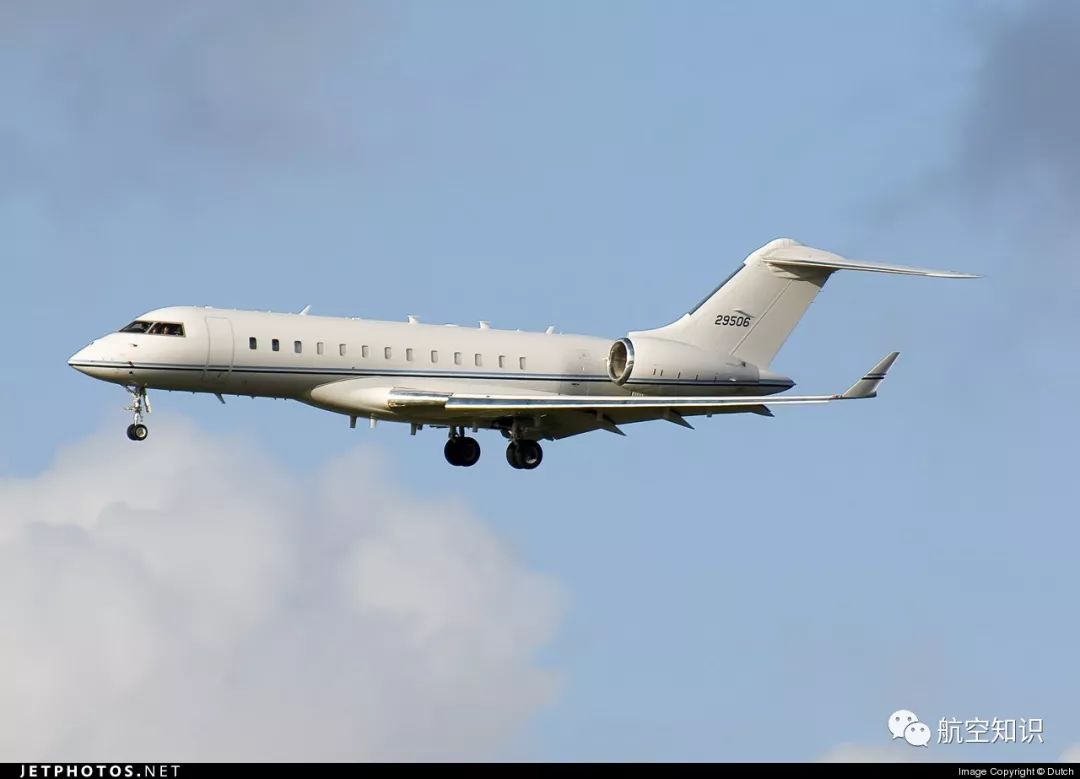
▲E-11A (Photo: Dutch)
The deployment of E-11A is to meet the urgent needs of basic input and output system relay between ground troops and other airborne platforms. The system entered the battlefield in Afghanistan in 2008, enabling the troops to overcome the communication restrictions in rugged terrain.
2
E-3 sentinel early warning aircraft
Number of service: 31
Manufacturers: Boeing, Northrop Grumman, Lockheed Martin, Rockwell
First flight: October 31, 1975
Performance: the maximum speed is 854km/h and the range is 7408km;; The ceiling is 12000m.
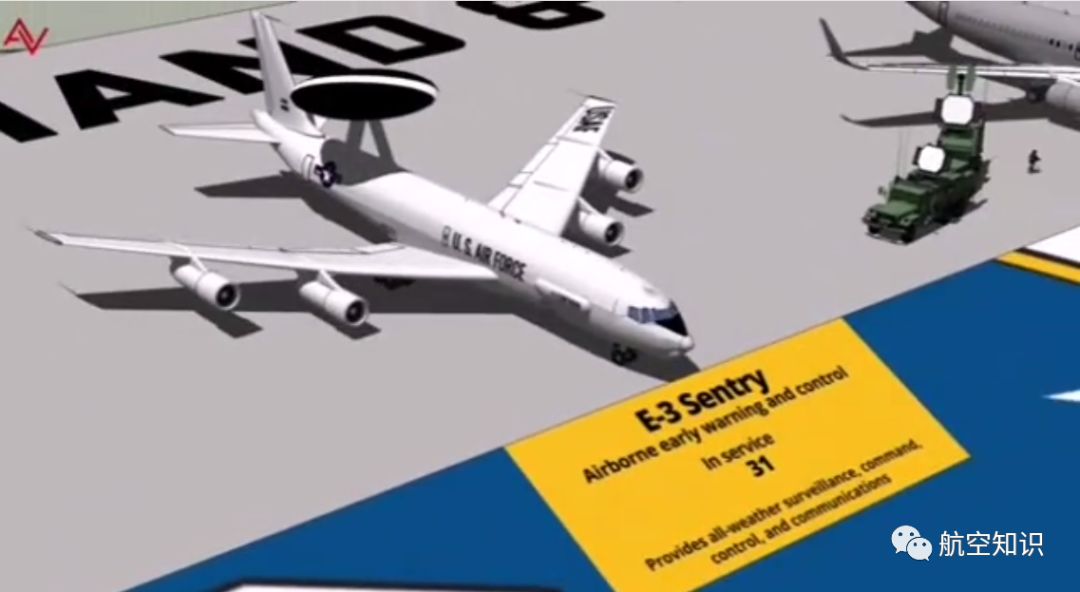
E-3 airborne early warning and control system (AWACS) is a Boeing 707-320B which has been modified a lot. Its tasks are all-weather air and sea surveillance, command and control, battle management, communication, reconnaissance and so on.
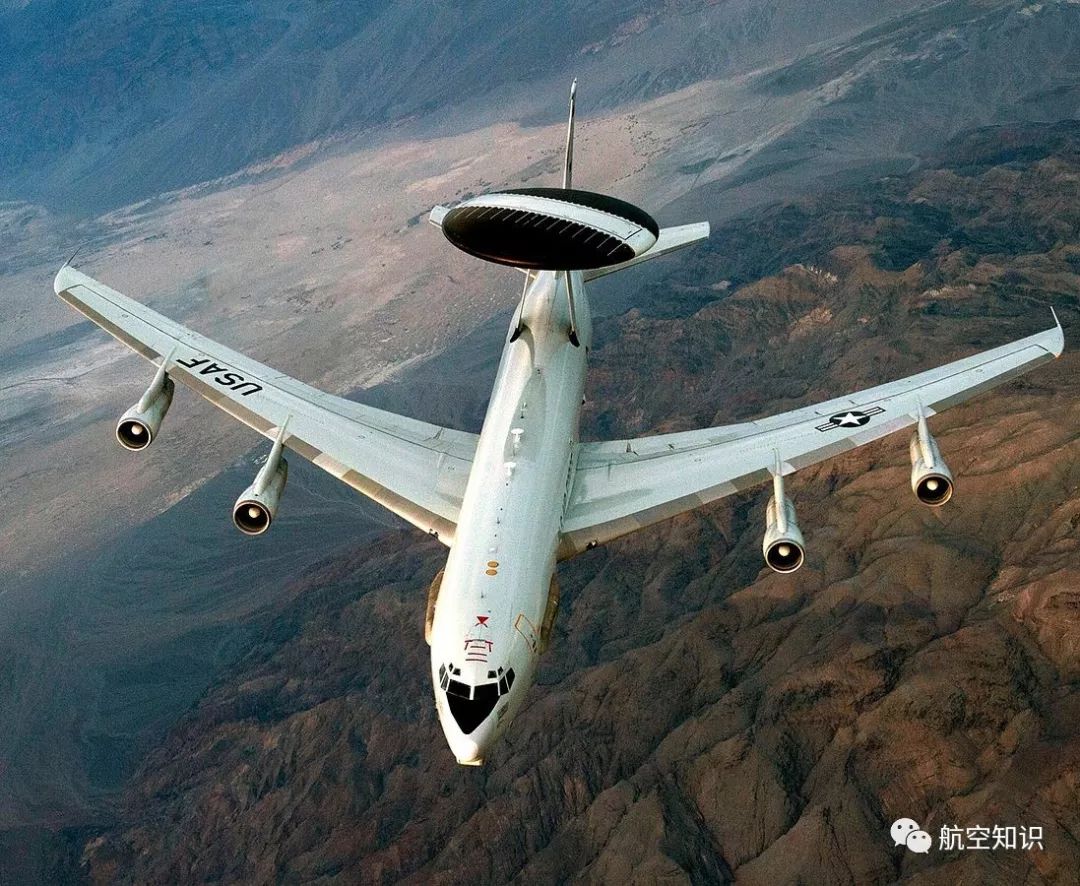
▲E-3 (Source: WikimediaCommons)
E-3 can monitor the airspace over 200 miles (about 322 kilometers) from the ground to the stratosphere. The U.S. E-3 fleet was upgraded in 2001, and the Block30/35 revision project was carried out. The upgrade includes four enhancements:
Electronic support measures (ESM) can passively detect the radio emission sources on the ground or in the air.
Joint Situation Distribution System (JTIDSLink-16) ensures that the information flow will not be blocked, and the ability of location and confirmation is enhanced.
Increase computer memory to match JTIDS(Link-16), ESM and future upgrade.
Global positioning system (GPS)
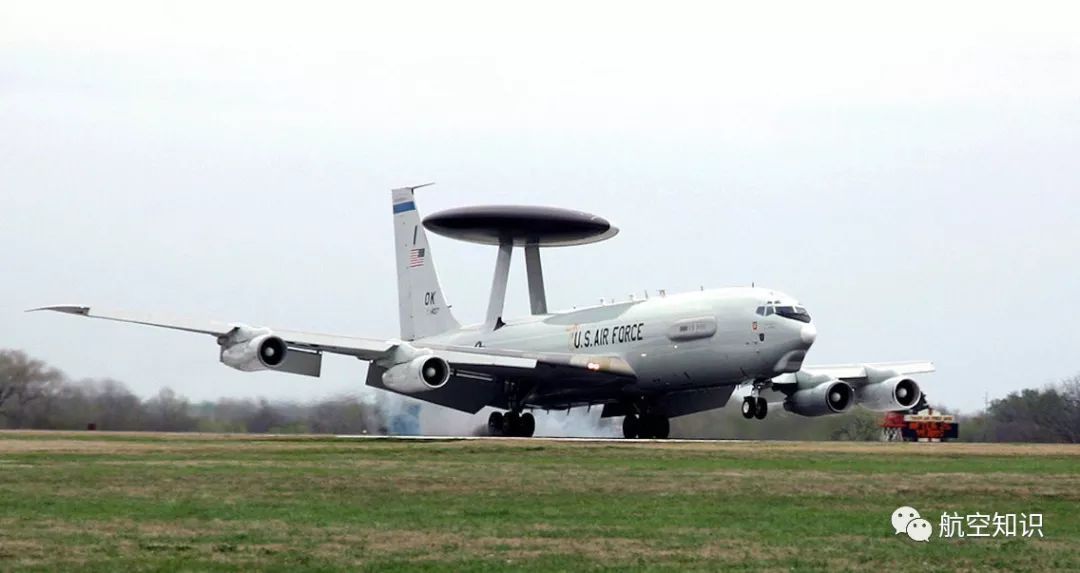
▲E-3 (Source: USAirForce)
three
E-8C JointSTARS
Number of service: 16
Manufacturer: Northrop Grumman, Raytheon
First flight: December 1988
Performance: cruising speed is 722 km/h; The ceiling is 13000 m; Endurance 9 hours
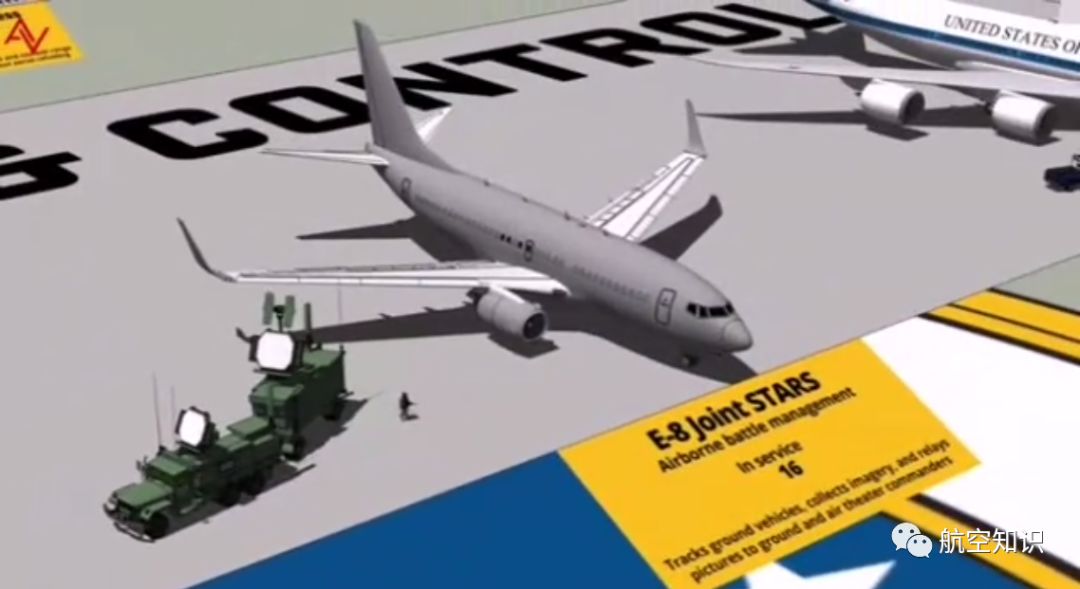
E-8 "Joint Surveillance Target Attack Radar System", abbreviated as JointSTARS in English. E-8 is an aircraft of the US Air Force, which integrates airborne ground surveillance, combat management, command and control functions. It can track ground vehicles and some aircraft, collect images and transmit tactical images to commanders on the ground and in the air.
E-8 is developed from the US Army/Air Force joint surveillance target attack radar system program. These projects are intended to develop technologies for remotely discovering, locating and destroying enemy armored forces.
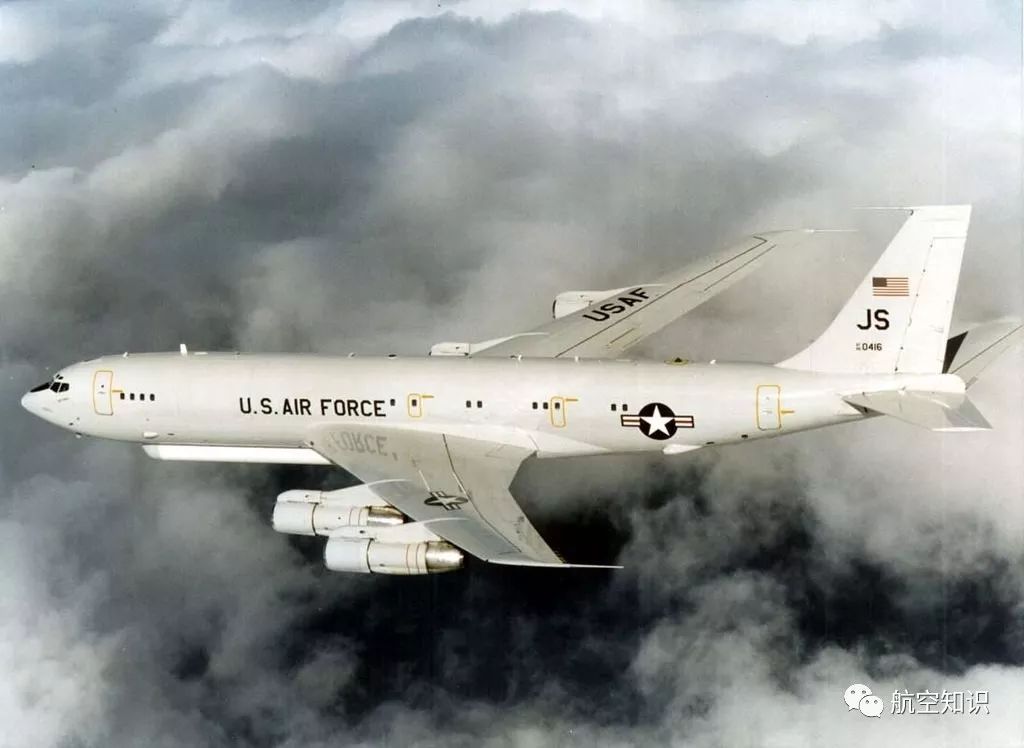
▲E-8C (Source: WikimediaCommons)
E-8C is developed from Boeing 707-300 and equipped with special subsystems such as radar, communication equipment and mission control equipment. Its most notable external feature is the canoe-shaped radome with a length of 12 meters below the front fuselage, and the APY-7 passive electronic scanning array antenna with a length of 7.3 meters inside.
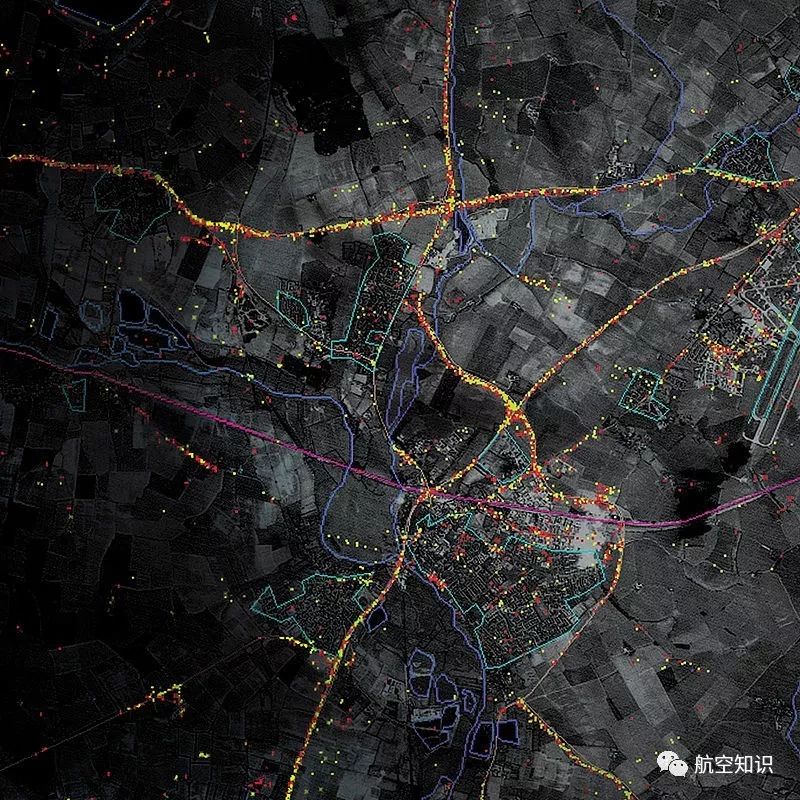
▲ GMTI mode image of AN/APY-7 radar.
E-8C can respond quickly and support sudden military actions around the world. It has strong anti-electronic interference ability. E-8C can fly continuously for 9 hours with only internal oil, and it can further expand its ability to perform tasks continuously with refueling in the air.
four
E-4BNightwatch
Number of service: 4
Manufacturer: Boeing, Rockwell
First flight: June 10, 1978
Performance: the maximum speed is 969km/h and the range is 11000km;; The ceiling is 14000m.

E-4B, also known as "Doomsday passenger plane", is called "National Air Command Center" (NAOC), which was modified from Boeing 747-200. At present, the US military has four passenger planes of the same type. The commander is equipped with four engines and adopts swept wings, which can fly at long range and high altitude and refuel in the air.
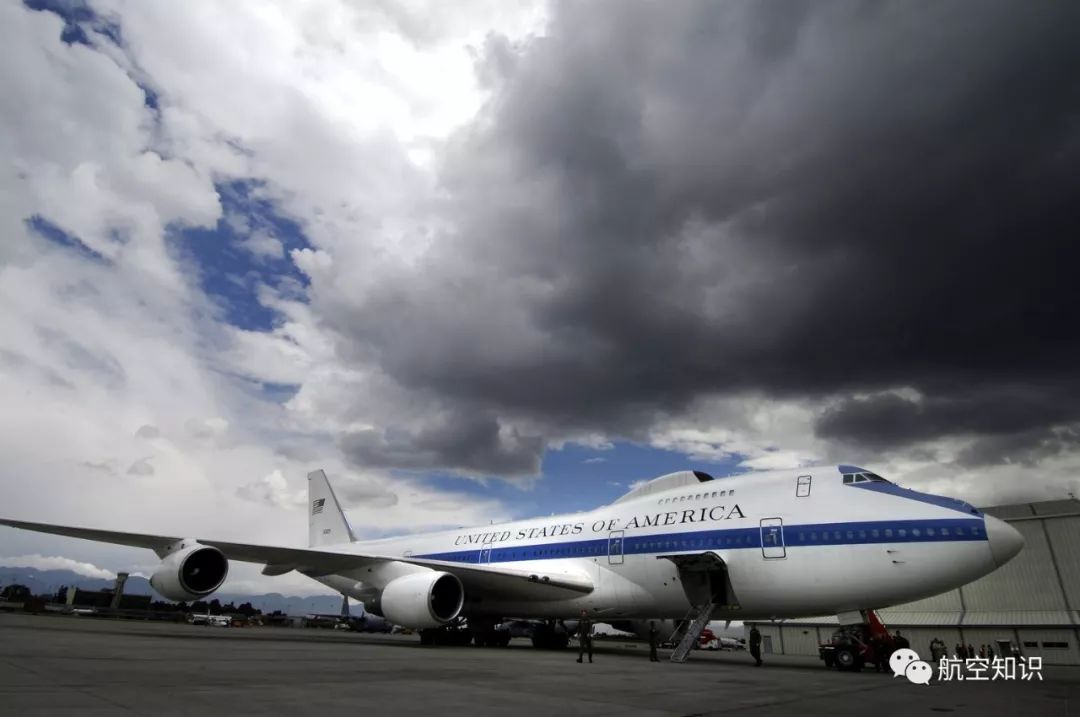
▲E-4B (Source: USAirForce)
The reason why E-4B is called "Doomsday passenger plane" is that it can be turned into an air command center when the United States is attacked by nuclear weapons or enters a state of emergency or the ground base is destroyed. As a modern and highly survivable command, control and communication center, it can command American troops, execute emergency war orders and assist local governments in their actions.
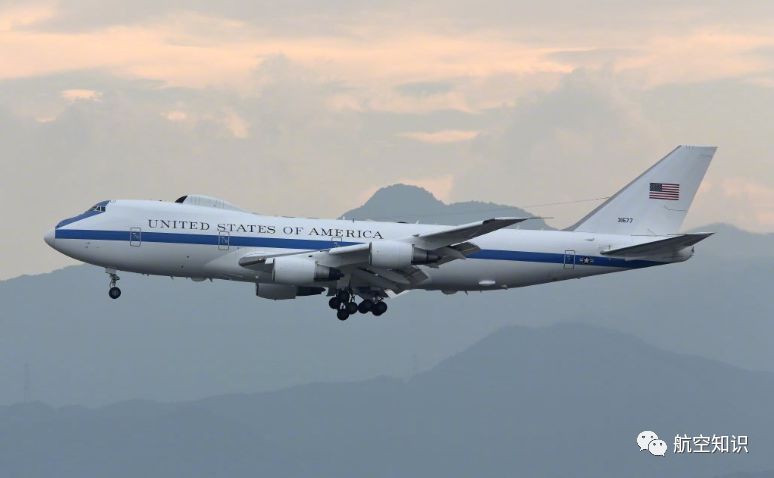
▲ photography: YasuoOksakabe/USAF
E-4B can resist the influence of nuclear explosion, including electromagnetic pulse (EMP); With all kinds of advanced electronic communication equipment. The U.S. Air Force is drafting a request to replace the E-4B with a more modern platform, while the Department of Defense hopes to merge the Navy’s E-6BMercury and the U.S. Air Force’s E-4B into a fleet of "Survivable Airborne Operations Center" (SAOC) with general configuration.
There’s only one pound left to play!
Stay tuned!
Welcome everyone to leave a message and communicate with Xiaobian.

Note: All the above cartoons were drawn by @ Mario Xiao Huang, and the release is authorized.
END