Why do Antarctic scientists always slap the seal after the seal is rolled?
The article was transferred from WeChat official account: beebee Planet (ID: Beebee Sub).
There is a hidden rule in Antarctic scientific research, that is, after licking the seals, they should be slapped.
This has become a kind of habitual action, so that some wives of scientific researchers complain that when they come home from scientific research, their backhand is a slap in the face after slapping the dog.
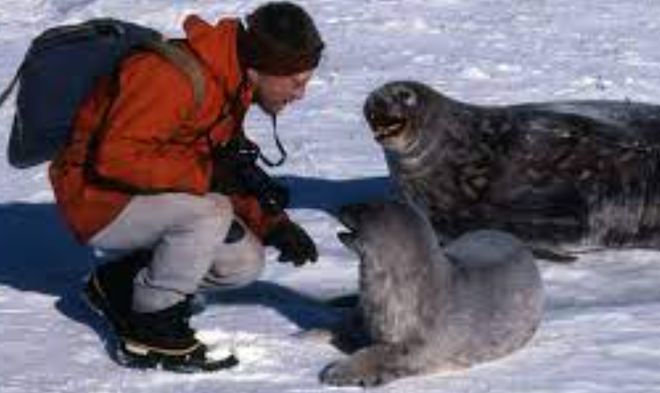
In the Antarctic, I don’t know how many seals have been slapped by researchers.
The picture below shows a smoked seal. After being smoked, it was lucky enough to be photographed by scientists. Dr guderian, who took this photo, said that the seal was a little depressed and lay on the ice sheet for nearly three hours, but it was a necessary measure.
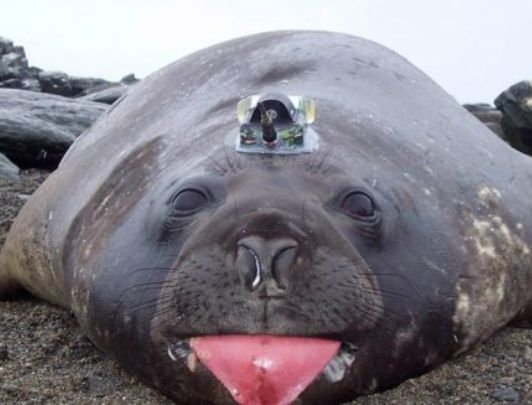
Scientists explain that this behavior is to prevent seals from being hunted or hurt because they trust humans too much.
That slap is to let the seal know that human beings are all predators with ulterior motives, and they are close to them just to beat them when they are most comfortable.
If you don’t get beaten, you don’t know what’s good or bad. If I want to protect you, I have to beat you first.
Swedish documentary director Latif tweeted that when he saw this phenomenon in the Antarctic, he felt a little cruel and incredible.
However, the researchers said that the current cruelty is to prevent the seal from encountering greater cruelty in the future, and also invited him to smoke together because "it feels really good."
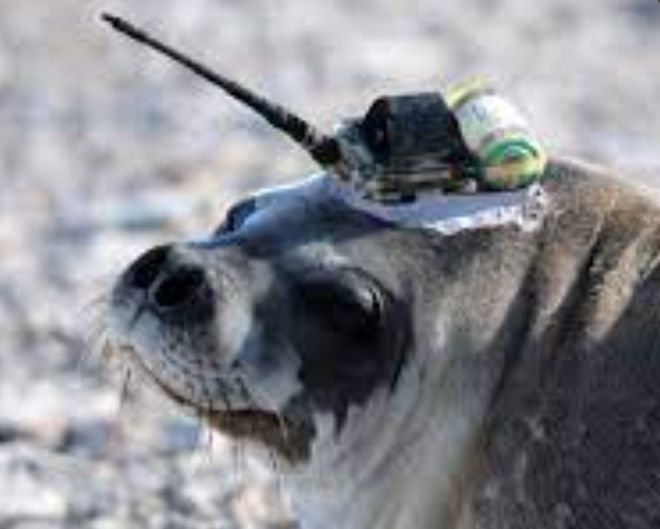
Russian scientist Ter Soschi, who worked in Enderby, Antarctica for two years, admitted that he had beaten at least ten seals.
Colleagues jokingly called him "Antarctic bear" and said he was a sword to defend the ecological balance in Antarctica.
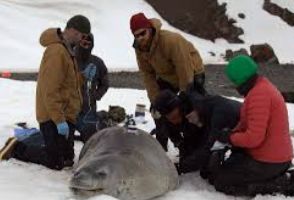
But not every researcher can take it easy. Dr. Shelton, who worked in McMurdo Station, said that in the Antarctic, he beat five baby seals, which made him feel guilty and sad.
After returning to his residence in California, he dreamed of the baby seal he had fanned countless times, which inevitably woke up at night. To this day, he is still receiving psychotherapy.
"Although it is good for it, the slap in the face is indeed a real fan in its face."
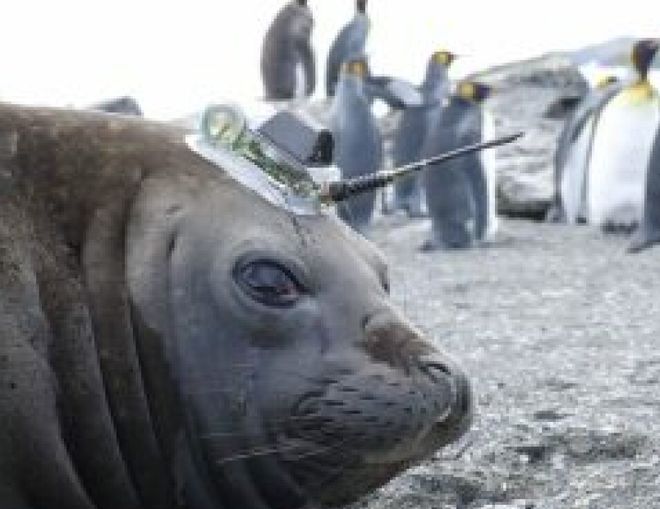
"In the Antarctic, seals are top predators. In their cognition, almost no land creatures can harm them, so they are not afraid of humans at all."
Professor nieminen, a famous environmentalist in Finland, said, "They may choose to be close to human beings, but we can’t let them choose to be close to human beings because it may bring risks to their ethnic groups."
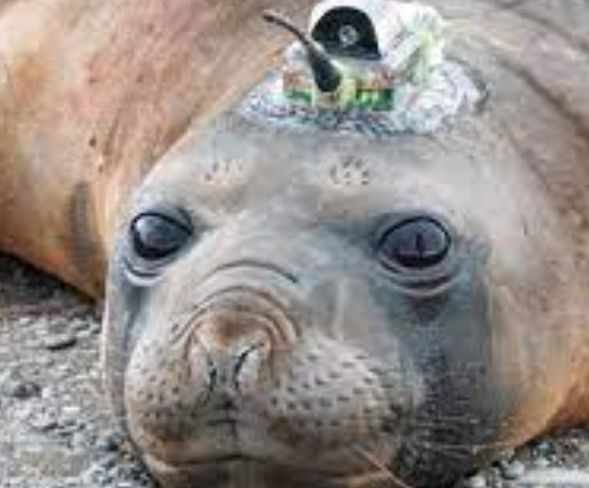
In fact, without the Antarctic Convention signed in 1961, a large number of related people and countless slapping efforts, Antarctic seals would be hunted like their counterparts in Canada.
Canadian seal hunters kill tens of thousands of head seals every year, most of which are baby seals less than three months old. And in order to ensure the fur is in good condition, they don’t even want to give the seal a good time, but beat the seal’s head with a stick until the seal dies, just as rude as a gangster.
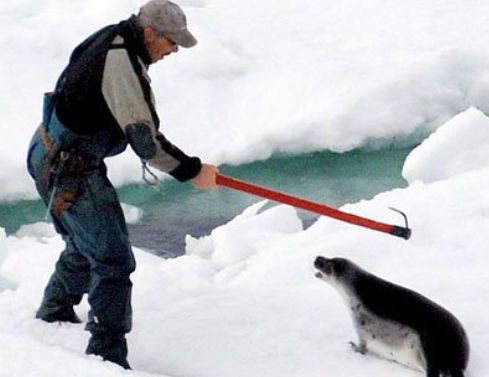
In fact, according to the relevant provisions of the Antarctic Environmental Protection Law, not to mention touching, ordinary tourists can’t even take the initiative to approach wild animals in Antarctica unless they take the initiative to slap you. This is precisely to prevent human beings from interfering too much with the ecological environment of Antarctica.
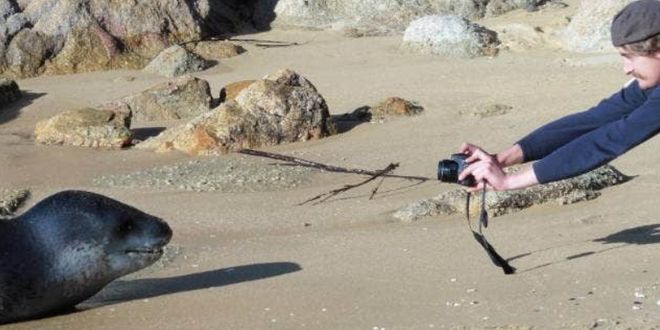
Scientists come into contact with seals mainly to do some scientific research. The sensor they put on the seal’s head can help scientists understand the Antarctic climate change and the habits of seals, so it is helpless for scientists to get in touch with seals.
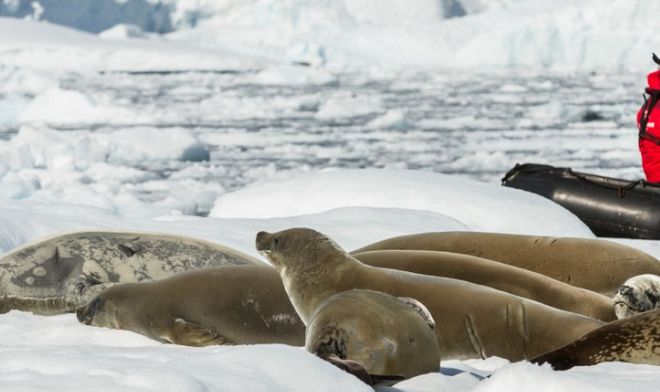
People from animal protection organizations have questioned this behavior. The Russian at Dongfang Station retorted that unless you can learn seal language and explain it to them, we will continue to slap them in the face.
"If you reason with me in an unreasonable way, maybe I will slap you in the face."
After evaluating the IQ of the seal and his own IQ, the animal protection organization chose to shut up.
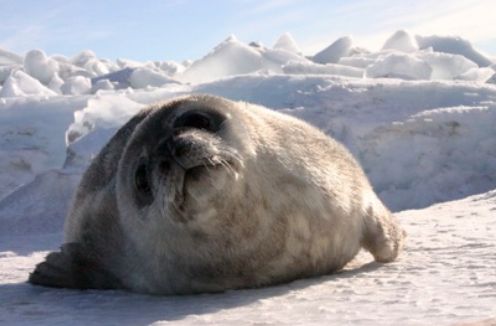
"If possible, we don’t want to slap seals," said a researcher at the research station of Helsinki University in Finland. "It hurts in our hearts to hit them. But if they don’t fight, they will never know the horror of human beings. "
"I only hope that all species can live in harmony on this earth as much as possible, without unnecessary killings, disputes and violence."
This article is authorized to reprint.
If you need a second reprint.
Please contact the original author.