Have you managed the details that waist circumference and weight can prevent diabetes?

  Diabetes is a group of lifelong metabolic diseases caused by multiple causes and characterized by chronic hyperglycemia. The data shows that the prevalence rate of type 2 diabetes in adults in China (in 2013) was 10.4%, which means that one in every 10 adults suffers from diabetes. As we all know, obesity and diabetes are closely related, and obese people are more likely to get type 2 diabetes. Therefore, in order to control type 2 diabetes and its related complications, it is imperative to solve the obesity problem.

  How to define obesity? Generally, two indicators need to be measured: waist circumference and body mass index (BMI). The waist circumference of men is ≧ 90cm, and that of women is ≧ 85cm, which means abdominal obesity, and the risk of diabetes will increase obviously; The other is to calculate the body mass index (BMI), that is, divide your weight by the square of your height (kg/m2) to get the value, and BMI≧28 is obese, which accounts for about 60% of diabetic patients. Of course, now compare the indicators to measure obesity, such as calculating belly fat content.

  There is a process from obesity to diabetes. If you are obese, you will get diabetes immediately, but obese people will suffer from insulin resistance because of the accumulation of fat in the body. When insulin secretion in the human body is insufficient, the role of glucose synthesis glycogen and glucose decomposition will be weakened, resulting in an increase in blood glucose concentration beyond the normal value, which in turn leads to diabetes. People’s stomachs are like warehouses for storing fat, and the fat is not easy to consume and decompose, so the warehouses are getting bigger and bigger. Therefore, those asymmetrical obese people we see every day, such as bigger stomachs and thinner legs, are also high-risk groups for diabetes.

  In recent years, the incidence of diabetes tends to be younger, which has a lot to do with unreasonable diet. Type 2 diabetes can be simply understood as eating diabetes. Few teenagers got sick more than 10 years ago, but now there are more and more teenagers. Eating more, eating well, eating well and having little exercise are the main reasons. Therefore, we should guide them from the aspects of diet structure, living habits, exercise and psychological counseling.

  At present, it is an effective way to control blood sugar for diabetic patients to reach the standard and maintain normal weight. Diabetic patients must keep a regular diet every day, eat less and eat more meals, and don’t overeat, so as to avoid excessive blood sugar fluctuations; Drink plenty of water to replenish the water needed by the body, otherwise it will easily cause dehydration and even hyperviscosity; Eat less fruits with high sugar content, such as bananas and ripe mangoes, and eat fruits with low sugar content, such as oranges, strawberries, cherries and grapefruit.

  At the same time, I suggest you pay attention to your health indicators regularly. People over the age of 40 go to the hospital to check their fasting blood sugar at least once a year. Under normal circumstances, the fasting blood sugar of normal people is below 6.1. If it is higher than 5.7, we should be vigilant.

  Interviewed experts: Mother Yiming, Chief Physician of Endocrinology Department, First Medical Center of PLA General Hospital.

The International Day of Rare Diseases is coming, and the family dilemma of patients with rare diseases: it is difficult to seek medical treatment and expensive medicine.

Reporter Fu Chang and intern Ren Yawen report that the last day of February every year is "International Day of Rare Diseases". On February 23rd, the Rare Diseases Branch of Guangdong Medical Association held the 2019 "International Rare Diseases Day" charity clinic in Guangzhou Hero Square. Experts said that many patients with rare diseases still face problems such as high drug costs, and the public lacks sufficient understanding of rare diseases, calling on the society to pay more attention.

Parents’ voice of children with rare diseases: it is difficult to seek medical treatment and the medicine cost is expensive.

On the morning of the 23rd, there was a light rain in Guangzhou. Although the weather is not beautiful, there are still crowds in front of the charity clinic booth in Hero Square. Many parents came to consult with their children. They frowned slightly and pulled the doctor to ask various questions, as if they had caught the "life-saving straw". In the crowd, the reporter met Mr. Deng and his 4-year-old daughter Jia Jia (a pseudonym).

Mr. Deng told reporters that it was accidental that Jia Jia was diagnosed with a rare disease. "One day, I found that Jia Jia kept blinking when playing with her mobile phone. We thought she had an eye problem, so we quickly took her to the community hospital to see a doctor." He said that as a result, after repeated examinations, ophthalmologists could do nothing about Jiajia’s illness and could not tell why. Seeing that Jia Jia’s symptoms became more and more obvious, Mr. Deng and his wife asked around and visited experts. After many referrals, in November 2017, Jia Jia was finally diagnosed with mucopolysaccharide storage disease in Guangzhou Women and Children Medical Center.

It is understood that mucopolysaccharidosis (MPS) is a rare disease with congenital metabolic abnormality, with an incidence rate of about one in 100,000. Because of the lack of lysosomal enzymes, patients can’t decompose mucopolysaccharides in the body. The accumulated mucopolysaccharides will affect the normal function of cells and destroy many organs of the body such as brain, heart valve, lung and bone. On May 11, 2018, the National Health and Wellness Committee and other five departments jointly formulated the "First List of Rare Diseases", and mucopolysaccharide storage disease was also included. 

Jia Jia, who was diagnosed with this disease, is undoubtedly unfortunate, but compared with other children with mucopolysaccharidosis, Jia Jia may be lucky. Because at the time of diagnosis, Jia Jia’s mother had been pregnant for 30 weeks with her second child, and worried that the second baby would get sick, she immediately went to the hospital for a umbilical cord blood puncture. After confirming the health of the fetus, Jia Jia and her unborn sister were successfully matched, and a bone marrow transplant was successfully performed after her mother gave birth.

"Because of early diagnosis and early treatment, Jia Jia’s current height and intellectual development are normal." Mr. Deng said that in order to help his daughter with treatment, he had previously joined a group of patients with mucopolysaccharide storage disease, many of whom were still struggling on the road of seeking medical treatment and even took many detours. "As far as I know, the average diagnosis time of patients with rare diseases is 7 years, which often misses the ideal treatment period." Mr. Deng said. The reporter also saw at the scene that some children around the age of 10 are only 1 meter tall and have obvious abnormal physical characteristics.

The reporter learned that for the treatment of mucopolysaccharide storage disease, in addition to the bone marrow transplantation surgery accepted by Jia Jia, some experts also proposed gene therapy and enzyme replacement therapy. The former is still in the state of research and development, while the latter refers to the artificial production of enzymes that patients lack and intravenous injection into patients. However, at present, this therapy has not entered the domestic market, and the drug price is expensive, with an annual cost of up to 2 million yuan, which requires lifelong medication. Without the support of medical insurance, ordinary families simply cannot afford it.

Experts appeal: Rare diseases need attention from all walks of life.

It is reported that the World Health Organization (WHO) defines rare diseases as diseases with an incidence of 0.65-1‰, and there are currently about 7,000-8,000 species in the world. "However, due to the large population base in China, rare diseases are not uncommon in terms of the number of patients." Liu Li, chairman of the Rare Diseases Branch of Guangdong Medical Association and chief physician of the Department of Genetics and Endocrinology of Guangzhou Women and Children Medical Center, said. On the occasion of the International Day of Rare Diseases, Liu Li hopes to raise the social attention of rare diseases through public welfare clinics.

She introduced that one of the difficulties in the diagnosis of rare diseases lies in parents’ insufficient understanding of rare diseases. "In real life, a sick child has not been diagnosed and other sick children have been born. This kind of thing often happens." She said that 70%-80% of rare diseases are hereditary diseases, and 70%-80% of rare diseases occur in childhood. Liu Li suggested that parents should have a clear understanding of their children’s development and pay attention to their abnormal conditions in time. If there have been rare cases in the family, prenatal diagnosis must be made before giving birth.

"Rare diseases are rare, doctors who can diagnose rare diseases are even rarer, and drugs that can treat rare diseases are even rarer." This is the true voice of parents of children such as Mr. Deng. Liu Li said that for this reason, the Rare Diseases Branch of Guangdong Medical Association goes to remote places to give academic lectures every year, so that grassroots doctors can understand rare diseases. When patients are found to be abnormal, they can also help to refer them to experts in time, so that patients can seek medical treatment and avoid detours.

She also pointed out that due to the small number of users, high research and development costs, and the lack of relevant laws and regulations in the country, pharmaceutical companies are reluctant to take the initiative to produce rare diseases, which makes it difficult and expensive for patients to buy drugs. However, this situation is gradually improving. With the release of the first batch of rare diseases catalogue in China and the recent joint notice issued by the four departments, the value-added tax policy for rare diseases drugs has been clarified, and the tax rates of some raw materials and imported drugs have been reduced, which will reduce the drug cost of more patients with rare diseases in the future. The patients also called for more drugs to be included in the medical insurance reimbursement.

[Introduction of Several Rare Diseases]

Gaucher’s disease

Gaucher’s disease is a rare monogenic disease and the most common lysosomal storage disease, which is autosomal recessive, with an incidence of about 1/50,000~1/100,000. The mutation of glucocerebrosidase gene (GBA) leads to the lack of glucocerebrosidase activity, which leads to the accumulation of glucocerebrosidase in the lysosomes of macrophages in liver, spleen, bone, lung and even brain, forming a typical storage cell, namely "Gaucher cell", which leads to pathological changes in the affected tissues and organs, and the clinical manifestations are that multiple organs are involved and gradually aggravated. Clinically, Gaucher’s disease can be divided into three types: type ⅰ (non-neuropathy type); Type Ⅱ (acute neuropathy); Type ⅲ (chronic or subacute neuropathy). Caucasians account for about 95% of Gaucher’s disease type I, while Asians account for more than 50% of Gaucher’s disease type II and III.

Patients with Gaucher’s disease are usually characterized by splenomegaly and thrombocytopenia, which are similar to the clinical symptoms of many hematological diseases. Therefore, most patients with Gaucher’s disease will initially go to the hematology department. Hematologists should conduct glucocerebrosidase activity tests to diagnose or rule out Gaucher’s disease after excluding malignant tumors and other diseases.

Gaucher’s disease is an autosomal recessive genetic disease. If the patient’s parents give birth again, the risk of their children getting sick is 25%. For the families and relatives who have given birth to Gaucher’s disease patients, genetic counseling and detection of pathogenic gene carriers should be carried out. Prenatal diagnosis is the most effective way to prevent high-risk families from giving birth to similar children again.

neonatal diabetes

Neonatal diabetes mellitus is a rare special type of diabetes mellitus, which usually refers to persistent and progressive hyperglycemia that occurs within months after birth. The incidence rate is 1/300,000~1/400,000. In the past, the etiology of this type of diabetes was unclear, and it was regarded as an early-onset type of type 1 diabetes for a long time because it needed insulin treatment.

Neonatal diabetes can occur in both men and women, and the onset age ranges from a few days to several weeks. The earliest symptoms that lead to medical treatment are unexplained polyuria and drinking water, often accompanied by feeding difficulties, weight loss or even emaciation, mild to moderate dehydration, mental drowsiness and so on. Some children were diagnosed with elevated blood sugar in routine physical examination, but delayed diagnosis may also lead to symptoms of diabetic ketoacidosis, such as vomiting, shortness of breath, listlessness and even coma. This is a serious manifestation of diabetes, which requires urgent treatment in the hospital. A few children will have motor retardation and occasional convulsions.

Most neonatal diabetes is caused by gene mutation, and the treatment and prognosis of neonatal diabetes caused by different gene mutations are different, so chromosome microarray and gene mutation detection are needed to further clarify the cause diagnosis. Neonatal diabetic children with KCNJⅡ gene and ABCC8 gene mutation can control their blood sugar better by oral sulfonylureas than by exogenous insulin injection.

glycogen storage disease

Glycogen accumulation disease is a kind of glycogen metabolism disorder disease caused by congenital enzyme deficiency, most of which are autosomal recessive inheritance (except for X-linked recessive inheritance of type VI), and its incidence rate is 1/(2 ~ 25 thousand). The process of glycogen synthesis and catabolism requires the participation of various enzymes. There are 12 types of clinical diseases caused by these enzyme defects, among which liver diseases are the main types I, III, IV, VI and VII. Type ⅱ, ⅴ and ⅶ are mainly muscle tissue damage. The common feature of these diseases is glycogen utilization disorder, which increases in liver, muscle, kidney and other tissues.

Glycogen accumulation disease type I is caused by the deficiency of glucose -6- phosphatase system in liver, kidney and other tissues, and it is the most common glycogen accumulation disease, accounting for about 25% of the total. The main manifestations are hypoglycemia, growth retardation, muscle relaxation, abdominal distension, abnormal liver function, metabolic acidosis, increased triglyceride and uric acid in blood tests, and gout and kidney calculi may occur in older children. Most children are prone to infection. Children with the above-mentioned clinical manifestations need to go to a hospital with the conditions for genetic analysis for genetic examination and definite diagnosis and disease classification.

This disease is a rare treatable disease, and diet therapy is the main treatment for glycogen storage disease. The proportions of three nutrients in total calories are: carbohydrate 60-70%, protein 10-15%, and fat < 30%. The carbohydrate is mainly raw corn flour, and raw corn starch releases glucose at a moderate speed in the body, thus maintaining the stability of blood sugar in the body for a period of time, avoiding hypoglycemia and improving metabolic abnormalities in the body. The vast majority of carbohydrates eaten by children in one day must be replaced by raw corn flour. Infant’s diet is fed continuously for 8-10 hours with nasogastric tube at night to maintain blood sugar stability and avoid fasting for more than 4 hours. Pay attention to avoid eating foods containing sucrose, fructose, lactose and galactose, such as fruits, sweets, sugary drinks and commercial products containing milk; In the aspect of fat intake, it is necessary to limit the intake of saturated fatty acids, take more units and polyunsaturated fatty acids. Blood sugar should be maintained between 3.9 and 6.7 mmol/L, so as to ensure the normal growth and development of children.

Ten typical cases of joint action to rectify food safety problems in Shanghai

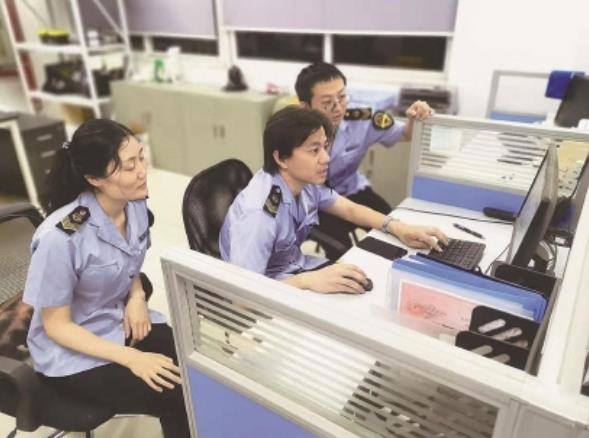
Market supervision and law enforcement personnel are collecting evidence.

Market supervision and law enforcement personnel are collecting evidence.

  In order to implement the requirements of the Notice of the Ministry of Agriculture and Rural Affairs of the Ministry of Public Security, Ministry of Education of the General Administration of Market Supervision on Joint Action to Remediate Food Safety in the Education of "Do not forget your initiative mind, Keep in mind the Mission", the Shanghai Municipal Market Supervision Bureau, the Shanghai Public Security Bureau, the Shanghai Municipal Education Commission and the Shanghai Agricultural and Rural Committee jointly carried out joint action to rectify food safety problems, strengthened the investigation of hidden dangers and the rectification of problems, and severely cracked down on violations of laws and regulations, which achieved remarkable results.

  Since the launch of the joint action, Shanghai has investigated and dealt with 2,290 cases of food safety problems, including 736 cases of food production and operation without permission, 17 cases of excessive use of food additives, 18 cases of non-edible substances added to food, and 22 cases of fake and shoddy food such as "cottage food" and trademark infringement. Recently, Shanghai announced ten typical cases of joint action to rectify food safety problems in this city.

  1 Ding Moudeng manufacturing and selling

  Case of counterfeit brand condiment

  On September 21st, the Economic Investigation Corps of Shanghai Public Security Bureau and Putuo Branch, after careful investigation across provinces and cities in the early stage and deep digging and expanding the case, with the strong assistance of local police, launched a network-closing operation in Jiangsu, Shandong and Henan, and detected a case of manufacturing and selling counterfeit Swiss Nestle "Taitai Le" chicken essence, Unilever "Jiale" chicken juice, "Sijibao" peanut butter and other brand condiments, and arrested 13 suspects, including Ding Mou, to investigate and deal with counterfeiting dens. More than 14,000 counterfeit brand condiments, nearly 400,000 sets of various packing boxes and packaging bags, 2 tons of counterfeit raw materials and more than 20 sets of processing equipment such as coding machines and plastic packaging machines were seized.

  2 Li and others manufacture and sell

  Case of counterfeit brand liquor

  On October 3, Songjiang Branch of Shanghai Public Security Bureau, based on the clues of active investigation, detected the case of "8.23" manufacturing and selling counterfeit brand liquor, investigated and dealt with the entire criminal network of empty bottle recycling, production filling, distribution and wholesale, arrested 54 suspects, including Li, smashed 5 fake dens and 6 storage and sales dens, and seized more than 2,300 bottles, caps and packaging of counterfeit brands such as "Feitian Maotai" and "Wuliangye".

  3 Qin and other manufacturing and selling

  Case of counterfeit brand liquor

  On October 9, Minhang Branch of Shanghai Public Security Bureau successfully detected a case of manufacturing and selling counterfeit brand liquor according to the clues of active investigation, and arrested four suspects, including Qin Mou, smashed one counterfeiting den and two storage dens, and seized more than 300 bottles of counterfeit Maotai and Wuliangye on the spot.

  4 Shanghai Laiya Food Co., Ltd. and other three companies engaged in food production activities without obtaining food production licenses.

  The Law Enforcement Corps of Shanghai Municipal Market Supervision Administration, after screening a large number of clues in the early stage, took Taobao and WeChat payment records as a breakthrough, and found out the evidence of unlicensed production behavior of enterprises through technical means such as on-site data recovery and deletion of label templates. In conjunction with the police, they rushed to other places to investigate, and during the joint operation, they investigated the unlicensed food production behavior of three enterprises, including Qingchulaiya Food Co., Ltd. About 8 tons (21 varieties) of problematic meat products were seized at the scene, and 9 unlicensed production equipment were seized.

  5 Shanghai Yukang Business Consulting Service Center engaged in food business without permission.

  During the supervision and inspection, Shanghai Yangpu District Market Supervision Administration found that Shanghai Yukang Business Consulting Service Center was suspected of engaging in food business without permission. After investigation, from April 1, 2014 to April 24, 2018, the parties packed large cans of health food and ordinary food into small plastic bags in their business premises without permission, and formed a series of meal replacement weight loss packages, named "7-day card" for external sales. In addition, in order to promote the sales of the "7-day card", the parties printed a brochure to publicize that this series of meal replacement diet packages can help improve the basal metabolic rate in the body while controlling the calorie intake, which is in line with the principle of natural metabolism of the human body. On September 5, 2019, Yangpu District Market Supervision Bureau made an administrative penalty decision on the parties and imposed a total fine of more than 5 million yuan.

  6 Qumou and others produced and sold fake foreign wine.

  On September 7th, Hongkou Branch of Shanghai Public Security Bureau, together with the District Market Supervision Bureau, successfully detected the case of "6.25" selling counterfeit goods registered as jagermeister wine merchants. With the strong assistance of the local police, 13 suspects were arrested in Shanghai and Shandong, 2 counterfeit dens and 6 dens were destroyed, 2 production lines were cut off, and nearly 10,000 counterfeit brands of foreign wine such as jagermeister, Chivas Regal and Hennessy were seized.

  7 lei mou and other fakes

  "China International Import Expo(CIIE)" Exhibiting Brand Oyster Case

  On October 13th, Baoshan Branch of Shanghai Public Security Bureau, together with the District Market Supervision Bureau, after more than two months of careful investigation, with the strong assistance of the local police, closed the net simultaneously in five provinces and cities of Shanghai, Beijing, Zhejiang, Jiangxi and Liaoning, successfully destroying a criminal gang that manufactures and sells fake French "Ginado" oysters, arresting 12 suspects, smashing 9 production, storage and sales dens and fake production lines, and seizing more than 1,000 fake brand oysters.

  8 Han and others produced and sold toxic and harmful food.

  Shanghai Yangpu District Market Supervision Bureau found that the reported person’s selling of weight loss coffee with the harmful substance of sibutramine was suspected of a criminal offence, and transferred the clue to the nuclear office of Yangpu Public Security Bureau. On July 27th, Yangpu Branch of Shanghai Public Security Bureau successfully cracked the inter-provincial case of manufacturing and selling toxic and harmful food, arrested 13 suspects including Han Mou, smashed 5 manufacturing and selling dens, seized more than 5,100 boxes of weight loss coffee illegally added with "sibutramine" and other ingredients, and produced 141.5 kilograms of raw materials, successfully destroying the criminal gang involved in manufacturing, storage and sales in Shanghai, Zhejiang and Henan.

  9 Zhan and others produced and sold toxic and harmful food.

  On July 4th, the Pudong Branch of Shanghai Public Security Bureau successfully cracked a case of manufacturing and selling toxic and harmful health food together with the District Market Supervision Bureau. With the strong assistance of the local police, 10 production, storage and sales dens were destroyed in Shanghai, Anhui, Guangdong, Shaanxi, Yunnan and Tianjin, respectively, and 12 suspects including Zhan Mou were arrested successively, and more than 400,000 pieces of diet health food illegally added with sibutramine were seized.

  10 qiaole flower shop

  Suspected of dealing in fake pesticides

  On August 2nd, Shanghai Agriculture and Rural Committee filed an investigation on Qiaole Flower Shop in Fengxian District, Shanghai, which was suspected of operating fake pesticides. The inspection found that Qiaole Flower Shop in Fengxian District, Shanghai opened a Taobao shop "Qiaole Garden Store" to deal in pesticides. In the physical store, it was found that pesticides without pesticide registration number and fertilizer products with pesticide ingredients were stored. After investigation, the facts of the pesticide products produced by the parties without obtaining the pesticide registration certificate according to law are clear and conclusive. According to the provisions of the Regulations on Pesticide Management, pesticides produced or imported without obtaining the pesticide registration certificate according to law shall be treated as fake pesticides, and the parties concerned shall be given an administrative penalty decision of confiscation of illegal income, confiscation of illegal fake pesticides and a fine of 25,000 yuan according to law.

  In addition to investigating cases, Shanghai has also done a lot of solid and effective work in the fields of health food, campus food, agricultural products and take-away food safety rectification.

  In terms of health food, the Municipal Market Supervision Bureau has publicized the Food Safety Law and the Guidelines for Warning Terms of Health Food Labeling to the representatives of health food business enterprises and 42 health food production enterprises in this city, and urged and guided enterprises to standardize the labeling of health food. Organize the inspection of the full coverage system of health food production enterprises and the special inspection of the full coverage of health food business enterprises. During the rectification period, a total of 44,192 law enforcement officers were dispatched, 26,884 production and business entities were inspected, 45 cases were ordered to be rectified, and 98 cases were investigated and dealt with, involving an amount of 3.18 million yuan.

  In terms of campus food safety, the Municipal Market Supervision Bureau and the Municipal Education Commission jointly organized 4,401 school canteens and 23 students’ collective dining and distribution enterprises in the city to carry out food safety self-examination and self-correction. Up to now, the Municipal Market Supervision Bureau has dispatched 22,499 law enforcement officers, supervised and inspected 13,543 school canteens, food supply units and food operators around the campus, sampled 2,372 pieces of food, interviewed 320 food operators, ordered 316 households to make corrections, and fined 289,000 yuan. The coverage rate of "bright kitchen" in the canteens of primary and secondary schools and kindergartens in the city is 100%, and the compliance rate of "rest assured school canteens" in primary and secondary schools and kindergartens is over 97%.

  In terms of quality and safety of agricultural products, the city’s agricultural and rural departments have dispatched 6,727 law enforcement personnel, inspected 2,844 times, completed 750 pieces of real estate edible agricultural products supervision and spot checks, and completed 257 samples of pesticides and veterinary drugs; Organize and guide 164 training sessions and 2750 person-times. The municipal market supervision department sampled 936 pieces of vegetables and aquatic products, and carried out verification and disposal of 6 unqualified samples. We will make every effort to promote the development of green and high-quality agricultural products. The certification rate of green food in the city is 19.60%. During the validity period, there are 582 green food enterprises with 955 products, and the certified output is 1,001,300 tons.

  To protect the safety of take-away food, we designed publicity seals and posters, held news briefings, and filmed promotional videos for rolling broadcast in Oriental Pearl Mobile TV, more than 40 major business districts in the city and nearly 100 popular science stations in towns and towns. Guide the US delegation, increase the "food safety seal" and revise the APP to improve consumers’ choice. Up to now, a total of 10.7 million food safety seals have been put in 23 major business districts. All 16 districts have carried out the promotion and use work, and Yangpu, Pudong, Fengxian, Baoshan, Minhang, Putuo and other district bureaus have printed public service seals and posters.

  In addition, the Municipal Joint Action Working Group on Food Safety Remediation makes full use of various platforms and adopts various forms such as centralized publicity, dynamic publicity and social publicity to actively guide the whole society to participate in the comprehensive management of food safety. Post a special food safety issue on the "People and Health" bulletin board in 1,500 communities, and publicize food safety and rectification actions in more than 100 food and drug science popularization stations in the city. Broadcast the public welfare propaganda film of health food rectification on the news comprehensive channel of Shanghai TV Station, and broadcast the public welfare propaganda film of joint action in 9000 elevators in Shanghai to improve the public’s perception of food safety. The Oriental Pearl mobile TV on more than 8,500 buses in Shanghai broadcast promotional videos, with an average daily audience of 10 million. There were 149 news reports, of which 15 were published by the central media. Relying on the new government media platform of "Shanghai Market Supervision", up to now, a total of 179 food-related WeChat, Weibo and Today headlines have been published, and the progress and effectiveness of the joint action have been continuously publicized, with a cumulative reading of 2 million times.