The rumor list was released in October: sugar substitutes can be eaten openly, and only zero addition is a good soy sauce …

  [rumor]

  ◎ Our reporter Chen Xi

  In October, "all technology and hard work" became the hottest "stalk". The emergence of this hot spot has aroused people’s attention to food safety, and related rumors have also been widely spread, such as "sugar substitutes can be eaten openly" and "only zero addition is a good soy sauce" … … Rumors about the COVID-19 epidemic still appear from time to time, such as "scanning the code when going out in public places can avoid becoming a secret contact". In addition, the previous drought in some parts of China made the rumor that "precipitation can be artificially increased as long as there are clouds" spread widely.

  Today, the reporter of Science and Technology Daily will take stock of the rumors that appeared in October one by one to help you clear the fog and find the truth.

  Can sugar substitutes be eaten open?

  Truth: Eating a lot of sugar substitutes also poses health risks.

  With the approach of winter, people’s time for outdoor sports gradually decreases. Many people began to worry about insufficient calorie consumption, so they paid special attention to controlling calorie intake. Sugar substitute drinks and snacks marked "Zero Sugar" and "Zero Card" seem to contain no calories. Some people think that sugar substitute is healthy, so they don’t have to bear the "sweet burden" and can eat it openly. So, is this really the case?

  "This view is wrong. Sugar substitutes should also be eaten reasonably, and there are also health risks when ingested in large quantities." Zheng Yunliang, director of Tianjin Institute of Modern Health Technology, said.

  According to the data, sugar substitute refers to alternative sweeteners, which belong to food additives, and there are three main categories — — Natural sweeteners, sugar alcohols and artificial sweeteners. At present, most sugar substitutes on the market use artificial sweeteners, such as aspartame. This kind of sweetener does not exist in nature, but is synthesized by chemistry.

  "From the perspective of energy production, sugar substitutes can be divided into nutritional and non-nutritional types. Almost all the decomposition products of non-nutritive sugar substitutes in human body do not contain glucose and do not directly participate in insulin secretion. Therefore, only in theory, non-nutritive sugar substitutes will not cause an increase in blood sugar. " Zheng Yunliang said.

  However, this does not mean that we can eat sugar substitutes openly.

  "The sweetness of sugar substitutes can stimulate appetite, and excessive intake may cause diarrhea, which may also increase the burden on the kidneys." Zheng Yunliang further said that with the progress of science and the deepening of research, most scientific research results show that artificial sweeteners may have pathogenic risks.

  For example, on September 7, 2022, the British Medical Journal published a large-scale research result from France. This study shows that using artificial sweeteners instead of sugar in food or drink is not beneficial to the cardiovascular and cerebrovascular health of the whole population. Cell magazine also published a related study, which found that the intake of artificial sweeteners was related to the changes of intestinal microbiota and the increase of blood sugar.

  Therefore, Zheng Yunliang suggested that consumers should try to choose foods containing natural sweeteners when choosing sugar substitutes, such as erythritol, stevioside, momordica grosvenori glycoside, sweet tea glycoside and so on.

  "It is safe to eat food or drinks instead of sugar occasionally, so you don’t have to be overly nervous. The public should scientifically understand and eat sugar substitutes and improve their health through scientific and reasonable diet and exercise. " Zheng Yunliang said.

  Can you avoid becoming a secret connector by scanning the code when you go out in public places?

  Truth: Repeated code scanning will be considered as entering the place many times.

  As a normal prevention and control measure of epidemic situation in COVID-19, scanning code before entering public places has been integrated into people’s daily life. However, a "special reminder" appeared in the WeChat circle of friends a few days ago: after scanning the code into a public place, scan the code again when leaving, and big data will "think" that you have gone out; If an infected person enters the site again, big data can "prove" that you and the infected person do not overlap in contact time, and you can avoid becoming close contacts.

  In this regard, relevant departments in Shanghai, Shandong, Sichuan, Zhejiang, Fujian, Inner Mongolia, Liaoning and other places have all rumored. Experts from Dongying Big Data Center said that "place code" is a special two-dimensional code given to a place, which is used to identify the location, name and other information of the place and plays an important role in epidemic prevention and control in COVID-19. When someone scans the "place code", it can only show that they have been to the place. Using big data means can’t distinguish whether the person is in the "entry" or "departure" state.

  In addition, relevant experts said that scanning the code twice may be considered as entering the place twice, which will not achieve the effect mentioned in the rumor, but will increase the workload of the flow control personnel and indirectly affect the epidemic prevention and control work. Experts reminded that the public only need to scan the code when entering the place, and there is no need to scan the code after going out. If the relevant staff find that the risk of infection of the code scanner is high, they will inform the code scanner in time and take prompt measures to avoid the spread of the virus.

  Only zero addition is good soy sauce?

  Truth: The quality of soy sauce depends on many factors.

  Not long ago, the "additive" storm of a brand of soy sauce caused many consumers to talk about the color change of additives, so many people took the absence of additives as the standard for evaluating the quality of soy sauce.

  "This statement is not entirely correct." Zheng Yunliang said that the so-called zero-added soy sauce is soy sauce with special color, fragrance and taste made by microbial fermentation without adding any monosodium glutamate or food additives. However, the quality of soy sauce depends on many factors, and zero addition is only one of them.

  "First of all, the soy sauce listed should meet the relevant national standards." Zheng Yunliang introduced that China’s "National Standard for Food Safety Soy Sauce" (GB 2717-2018) stipulates that soy sauce is a liquid condiment with special color, fragrance and taste made from soybeans and/or defatted soybeans, wheat and/or wheat flour and/or wheat bran as the main raw materials through microbial fermentation. Soy sauce manufacturers shall have a complete fermentation and brewing process, and shall not use raw materials such as acid hydrolyzed vegetable protein seasoning liquid to produce soy sauce.

  Soy sauce that meets the relevant national standards has reached the "passing line", but it is not high quality.

  "Soluble solids, chloride, total nitrogen, total acid and reducing sugar in soy sauce are important quality evaluation indicators, which can affect the quality of soy sauce." Zheng Yunliang introduced that the umami taste of soy sauce depends on the content of amino acid nitrogen. Generally speaking, the higher the content of amino acid nitrogen, the higher the grade and the better the quality of soy sauce.

  At the same time, as a traditional fermented condiment in China, the flavor of soy sauce is also an important quality index. The differences in koji varieties and technological processes of different soy sauces will make them have great differences in flavor.

  According to related technical literature, 230 nonvolatile compounds were detected in soy sauce, including 90 peptides, 49 organic acids, 27 amino acids and their derivatives, 28 sugars, 11 sugar alcohols, 6 biogenic amines, 4 nucleotides and 16 other compounds, which determined the acidity, sweetness and concentration of soy sauce.

  In addition, Zheng Yunliang reminded that consumers should also have a rational understanding of additives and not be overly superstitious about zero-added food.

  "In soy sauce processing, the most commonly used food additives are sodium benzoate, disodium inosinate and disodium guanylate. Rational use of food additives can prevent bacterial growth, moderately extend the shelf life, and make soy sauce more cost-effective. " Zheng Yunliang said.

  In fact, instead of paying attention to food additives, consumers should pay more attention to the sodium content in soy sauce.

  "In every 100ml of soy sauce, the sodium content is about 6g, and the recommended intake of sodium is only 2g/day. Related studies have shown that excessive intake of sodium may lead to cardiovascular diseases such as hypertension and arteriosclerosis. " Zheng Yunliang reminded.

  As long as there are clouds, it can artificially increase rainfall?

  Truth: Certain conditions are needed, and the key is to have the right cloud.

  Since this summer, the drought in the eastern part of southwest China, the south of the Yangtze River and the northern part of South China has continued to develop, and it has suffered from drought in summer and autumn. The water levels of Poyang Lake and Dongting Lake all hit record lows, and some lakes even became "deserts" and "grasslands". At the same time, there is a question on the internet: as long as there are clouds, artificial precipitation can be carried out. Why not carry out artificial precipitation enhancement in these arid areas?

  In this regard, Wang Zhaoyu, director of the Tianjin Office of Weather Modification, said that artificial precipitation enhancement is not artificial rainfall, and "turning clouds into rain" requires certain conditions.

  Artificial precipitation enhancement is to influence the microphysical process of clouds through artificial intervention under appropriate weather conditions, so as to increase the ground precipitation.

  "The way of artificial intervention is mainly by sowing catalysts into the cloud. Generally speaking, the catalysts sown in the northern region are mostly silver iodide, while dry ice and liquid nitrogen are commonly used as artificial precipitation enhancement catalysts in the southern region. In addition to catalysts, there are ways of manual intervention, such as emitting femtosecond laser and charged particles to the cloud. " Wang Zhaoyu said that no matter which way is used, the ultimate goal is to form condensation nuclei, promote water vapor condensation, and finally form precipitation.

  However, a clever woman can’t cook without rice. In this process, the most crucial thing is — — There should be a cloud that meets the conditions of artificial precipitation enhancement. Such a cloud needs to have a certain thickness, height and temperature, and at the same time, the water vapor in the cloud should be abundant and just in the updraft area.

  Wang Zhaoyu explained that the medium and low clouds with a temperature of MINUS 10 to 0 degrees Celsius, a thickness of about 2,000 meters and a height of less than 6,000 meters are suitable for artificial precipitation enhancement. Such warm clouds are full of small water droplets, which float in the air and cannot fall down under the support of updraft, forming clouds; With the help of the catalyst, increasing the concentration of condensation nuclei in the cloud can make small water droplets collide more and more into large water droplets, and then form precipitation.

The Pakistan Air Force said it would consider replacing the China WS13 engine for Xiaolong (photos).


Pakistan’s JF-17 Thunderbolt (FC-1 Xiaolong)


At present, Xiaolong fighter is equipped with Russian RD-93 engine.


  Wang Qichao, a correspondent of Global Times in the United States, reported that the latest issue of American Defense News (published on September 22) published an article saying that Tanvir Hamaide, chief of staff of the Pakistani Air Force and general of the Air Force, said in an interview in early September that on the second batch of JF-17 Thunderbolt (called FC-1 Xiaolong in China) fighters,


  General Hamaide mentioned that the first batch of JF-17 fighters used RD-93 engine made by kerimov Company, and the maintenance interval of this engine was short, only about a quarter of that of similar engines in the West.


  The first batch of 42 JF-17s will join the first-line forces of Pakistan Air Force in late 2009, plus 8 that have been evaluated in Pakistan, and a total of 50 JF-17s will enter the service of Pakistan Air Force.


  The first batch of 50 fighters used avionics from China, equipped with an upgraded RD-93 engine of RD-33 (used by MIG -29 fighters).


  General Hamaide said that the second batch of 50 JF-17 fighters will enter active service in 2011.


  In 1990s, Pakistan Air Force hoped to equip JF-17 fighter (then called "Super -7") with a western engine, but it failed to do so because of the western sanctions imposed on the nuclear test in 1998, so Pakistan turned to China and Russia.


  It is reported that in 2006, Russia agreed to sell RD-93 engine to China to assemble FC-1 fighter (JF-17 fighter for export to Pakistan). Despite Indian pressure on Russia, Russian President Vladimir Putin reached an oral agreement with President Musharraf at that time and agreed to supply this type of engine.

Did the ancients have "996"? "247" is the norm, and you will get a board if you are late.

The original team invited the author Chao Wenshe.
Author | Our Special Invited Author Jiuyu Pavilion

"Chao Wen She" (formerly "We Love History") is the headline signing group media.

Words: 2218, reading time: 6 minutes.

In today’s Internet enterprises, "996" seems to have become a normal state, with employees of both large factories and small enterprises deeply disgusted with it, who go to work at 9: 00 a.m. and get off work at 9: 00 p.m. and work six days a week.

Then, in ancient times, was there such an overtime culture?

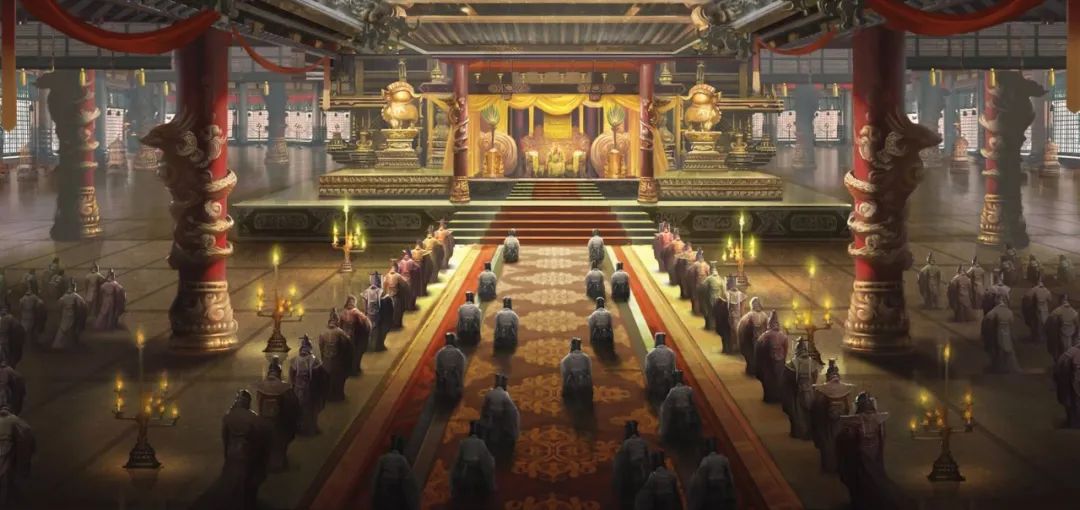
First of all, the concept of going to work in ancient times is not necessary in modern times. In ancient times, it was an agricultural society. Generally speaking, only officials, officials, servants and craftsmen working in the government had classes. In other words, if you are an ordinary citizen, you don’t have to consider going to work at all.

business hours

In the Zhou dynasty, officials needed to go to work according to the time when the rooster crowed. Once they heard the rooster crowed, they would arrive at the court.

According to historical records, "the cock crows, and the court is full."

In the pre-Qin period, the crow was the alarm clock of officials, but this time was not very fixed. Therefore, after that, the working time was generally set as Maoshi, that is, from 5 am to 7 am.

According to the Ming Dynasty, you should sign in at Mao’s time and sign out at You’s time, in other words, you should sign in between 5-7 in the morning and sign out between 5-7 in the evening. If you go to work at 5 o’clock and get off work at 5 o’clock, the working time in a day is 12 hours.
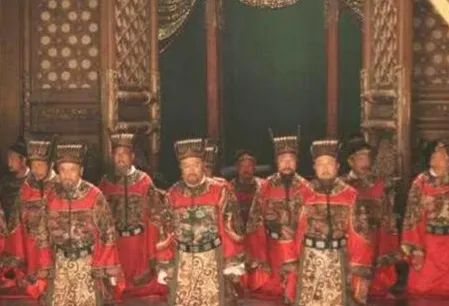
During the Hongwu period, Zhu Yuanzhang once stipulated that officials had only one day off every month, which was the fifth day of each month. It is true that the 996 "Fu Bao" is more humane than the working system during the Hongwu period.

Generally speaking, the treatment of ancient scholars and officials was quite good. As the saying goes, learning to be excellent is an official. Although the 12-hour working system is a bit harsh, it is still much better than those servants.

In the feudal autocratic dynasty, servants’ status was very low. They not only needed to go to work on time, but also had long working hours. Fang Bao, a writer in Qing Dynasty, once recalled one of his handmaids, and said, "It’s normal for chickens to crow at night."
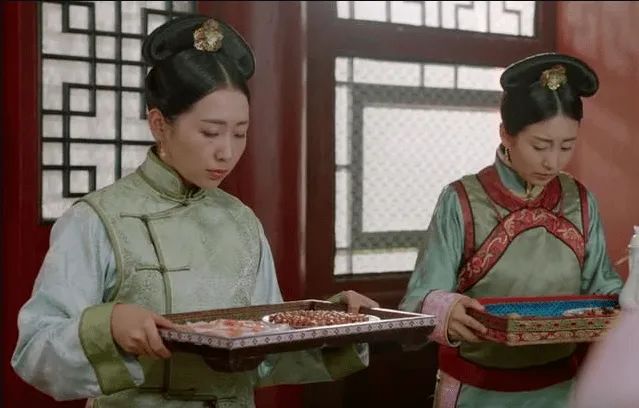
The time of the four drums is about 2 am, which means that the maid goes to bed at 2 am and gets up at 6 am, and only rests for 4 hours a day. In addition, this handmaid has no rest day, and this work system can even be understood as "247". The handmaid died at the age of 17 because she worked too long and didn’t have enough rest.

Although the modern 996 working system is somewhat inappropriate, it is still humanized compared with the servants of the Qing Dynasty. Therefore, friends who want to cross must understand the working hours of that era, otherwise, they may suffer a big loss.

On the way to work

In modern society, although going to work is a very unpleasant thing, commuting is not very complicated. We have subways, buses, cars and electric cars, which are far away. We can choose public transportation, which is closer, and we can choose to travel by bike.

For ancient officials, on the way to work, it is easy to have accidents. For high-ranking officials in the imperial court, there are usually carriages or guards when the court is in court, and the safety can still be guaranteed, but those ordinary officials can only walk.

Why is walking prone to accidents? The main reason is that when the court was in power, it was still dark. Those high-ranking officials in the imperial court had the privilege to light lamps, but ordinary officials did not have this right.
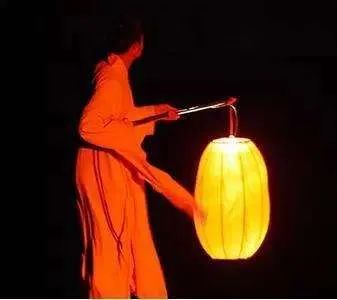
Before the apocalypse of the Ming Dynasty, there were street lamps in the Forbidden City, and court officials could use the light of the street lamps when they went to court. But when Wei Zhongxian was in power, the street lamps were cancelled. Not only were there no street lamps, but fireworks were also prohibited.

According to historical records, "On the evening of May, everyone goes in secretly, and when they meet, they can’t distinguish it without looking at it."

As a result, there is such a scene. In the early hours of the morning, officials are on the road in a daze. On the road, even if they meet their colleagues, they can’t see them. Sometimes, they will bump into a black eye.

During Wei Zhongxian’s reign, there was an official whose home was far away. One day, when he got up late, he hurried to the hall in a hurry. Unfortunately, because there was no street lamp and the road was slippery, one of them accidentally fell into the river and died!
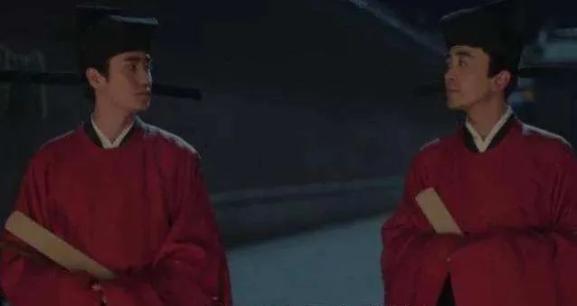
In the Qing dynasty, there were also laws prohibiting lights, so how should officials go to work? It is true that it is too dangerous to go to work in the dark, so officials have an idea, and that is to borrow the light.

The princes, military ministers and other high-ranking officials in the Qing Dynasty had the privilege of lighting lamps. Therefore, ordinary officials would wait for the procession of these high-ranking officials along the road. When the procession arrived, just like the bus in Yanjiao, Beijing in modern times, everyone flocked to keep up with the procession and then went to court smoothly. In order to prevent falling into ditches and rivers, it is the best way to travel by light.

Late punishment

In modern society, being late is the boss’s worst aversion. If he is much late, he may even be fined. In the ranks of ancient officials, being late is not a trivial matter. Not only will you be fined, but you may also get a board.

In "A Brief Discussion on the Law of the Tang Dynasty", there is a rule that "officials don’t attend without reason", the content of which is how to punish those officials who are late. For example, if an official fails to come for one day, his punishment will be 20 small boards. If he is absent for three days, the crime will be aggravated. If he is absent for 25 days, he will be hit with 100 big boards. If he is absent for 35 days, he will be sentenced to one year in prison. If you work in a border town, you will often be late, and the punishment will be heavier.
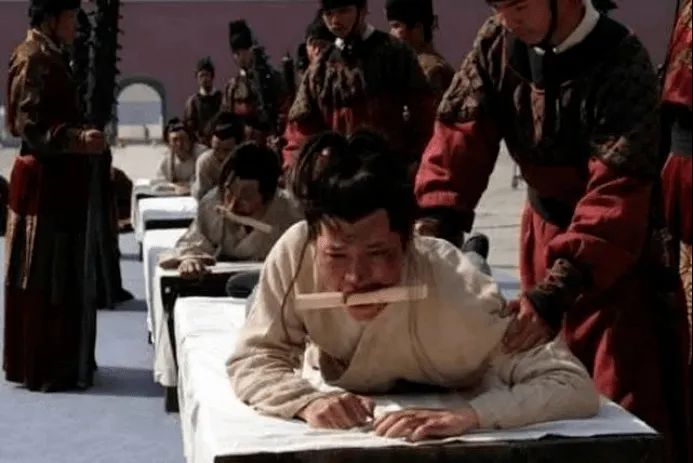
Zhao Mengfu, a great painter in the Yuan Dynasty, used to be a doctor of the Ministry of War. At that time, the prime minister was disgusted with the lateness of officials, so he was very strict about attendance. Once, when Zhao Mengfu was late, he was caught by the judge at that time. The judge was already disdainful of the Han people. When he saw Zhao Mengfu late, he pulled him down and beat the board.

Spanking and imprisonment are the penalties for being late. In fact, although the punishment is a bit heavy, it is not too much. After all, as a national public official, he has a great responsibility, and being late is certainly not appropriate.

In addition to spanking and imprisonment, fines are also important. During the reign of Emperor Xuanzong of the Tang Dynasty, officials who were late for no reason would be fined a quarter’s salary, in other words, three months’ salary would be lost if they were late once. In Tang Suzong, officials who were late would be fined one month’s salary.
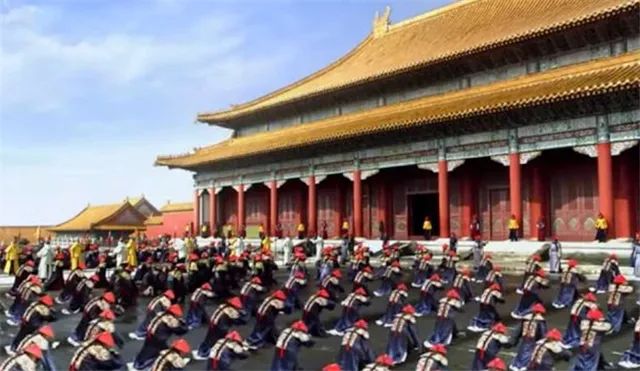
Officials in the Song Dynasty were generally the best in all dynasties, and the government’s management of officials was relatively loose, but there were also related penalties for being late.

During Song Renzong’s reign, Zhang Yi, the right-hand patrol envoy, reported many officials’ being late for work, leaving early and being absent for no reason. Although Song Renzong had a good temper, he was furious when he heard this. Song Renzong immediately ordered that the officials who were absent without reason should be examined, and those who were found to be true should be dismissed. In other words, even in the relaxed Northern Song Dynasty, being late is not a joke.

To sum up, in ancient times, the requirements for going to work were quite harsh. Officials not only got up earlier than chickens, but also had to take risks to go to work in the dark. If they were late, they would beat the board, or even lose their posts and even go to jail. It can be seen that working in ancient times, especially for ordinary officials, was by no means a pleasant thing. Compared with the ancients, 996 may really be a "blessing"!

References: On the Laws of the Tang Dynasty, The Book of Songs and Tang Huiyao.

Original title: "Did the ancients also have" 996 "? "247" is the norm, and you will get a board when you are late.

Read the original text